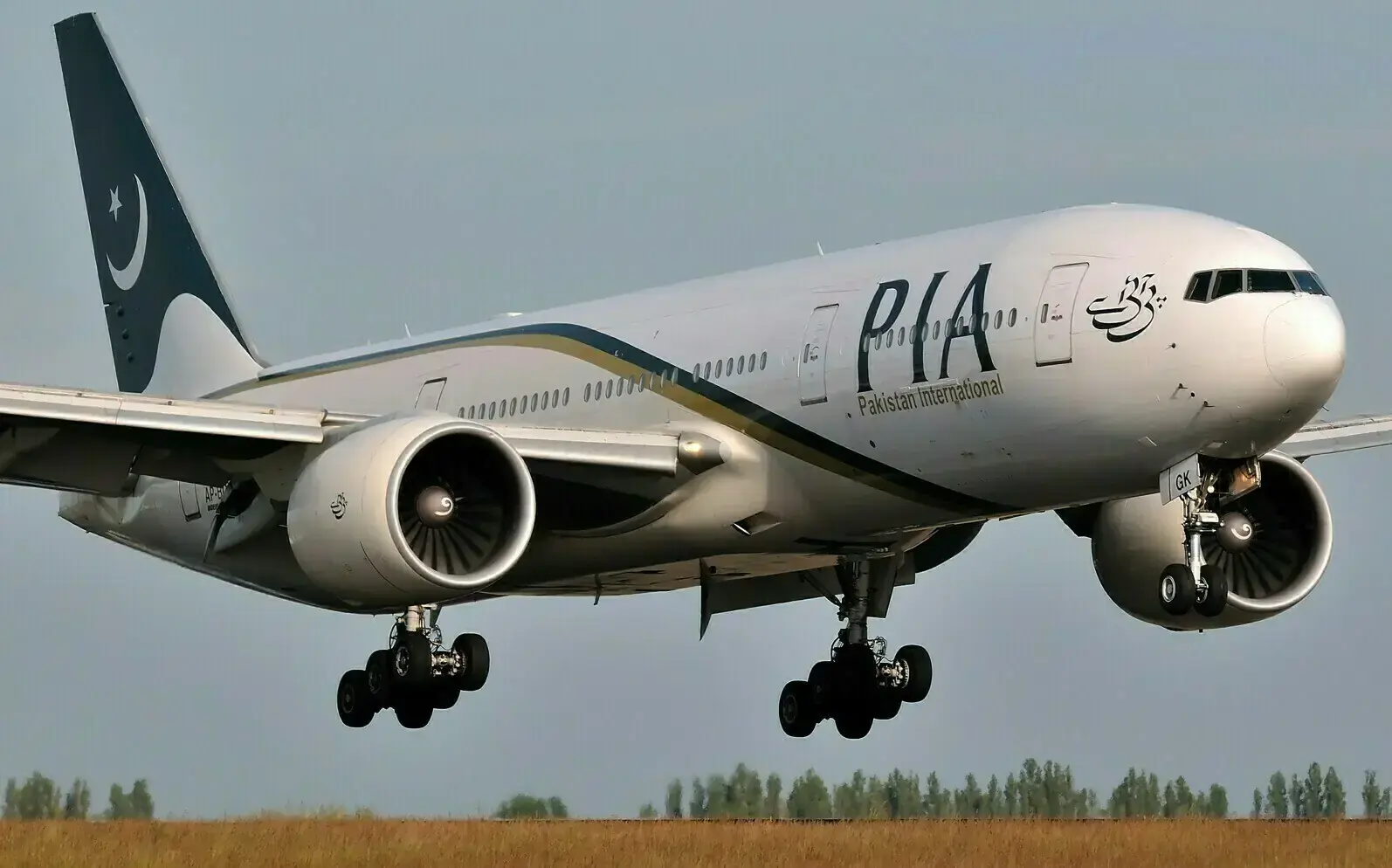
Air travel in Pakistan has become more expensive as Pakistan International Airlines (PIA) and other carriers have increased ticket fares by around 10 to 14 percent, primarily due to a sharp rise in jet fuel prices and overall operational costs.
Read More: Amreli Steels Limited Faces Ongoing Financial Pressure Amid Industry Challenges
According to industry sources, the fare hike has been implemented across both domestic and international routes, with passengers already experiencing higher ticket prices on major routes connecting key cities. The adjustment reflects growing financial pressure on airlines as fuel costs continue to surge and impact profitability.
The increase in aviation turbine fuel (ATF) prices has been a major driver behind the decision. As fuel remains one of the largest cost components for airlines, any significant increase directly affects fare structures, forcing carriers to pass on the additional burden to consumers.
Domestic ticket prices have risen notably, particularly on high-demand routes such as Karachi, Lahore and Islamabad. International fares have also increased, depending on destination, airline and travel class, making overseas travel more expensive for passengers.
Aviation experts suggest that the current fare hike is part of a broader trend, with ticket prices likely to increase further if fuel prices remain elevated. Continued pressure on input costs, including maintenance and currency depreciation, could lead to additional fare adjustments in the coming months.
The increase is expected to impact passenger traffic, especially among price-sensitive travellers, while also contributing to inflationary pressures within the transport sector. However, airlines maintain that the fare revision is necessary to sustain operations and manage rising costs.
As economic uncertainty persists, the aviation industry is expected to closely monitor fuel price movements and demand trends, with further revisions in fares possible if cost pressures continue.