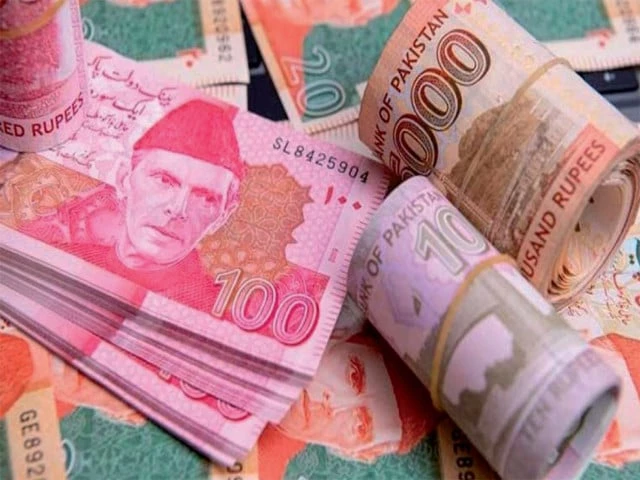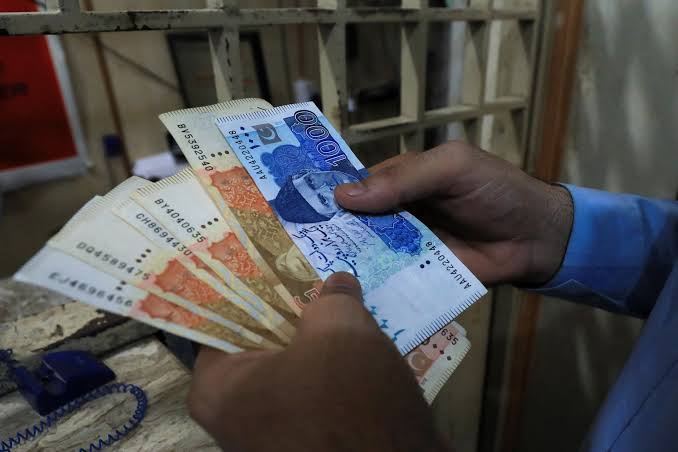
The Federal Government of Pakistan successfully raised Rs768.4 billion through a Market Treasury Bills auction conducted by the State Bank of Pakistan on Wednesday, reflecting steady sovereign borrowing patterns supported by robust banking sector liquidity. Commercial banks and public sector entities demonstrated substantial appetite for government paper by submitting over Rs2 trillion in total bids, while an unnamed provincial government contributed Rs300 billion through non-competitive bids. This high level of market participation underscores a ongoing reliance on secure government paper while private sector credit demand remains subdued.
Read More: https://corpcurrent.com/hyundai-motor-q2-operating-profit-falls-21/
The highest volume of bids heavily targeted the short-term one-month tenor, receiving nearly Rs1 trillion in market offers from financial institutions. Analysts note that this pronounced short-term concentration suggests the market is hedging against potential interest rate adjustments during the State Bank of Pakistan’s upcoming monetary policy review later this month. Through competitive bidding, the government accepted Rs376 billion alongside Rs392.3 billion raised via non-competitive bids, successfully balancing market demand across various tenors.
The final accepted amounts across maturities comprised Rs333.8 billion for three-month papers, Rs210 billion for six-month papers, Rs179 billion for twelve-month papers, and Rs44.6 billion for one-month papers. Corresponding cut-off yields were established at 11.35 percent for one-month, 11.51 percent for three-month, 11.79 percent for six-month, and 11.99 percent for twelve-month Treasury bills. The steady yields indicate that while the federal government remains eager to borrow liquidity, it maintains a firm stance against increasing interest rates.
This latest auction coincides with the launch of the InvestPak initiative, an initiative designed to enable the general public to open accounts and invest directly in sovereign paper. Federal officials anticipate that expanding retail participation will reduce the heavy reliance on commercial bank lending, thereby freeing up private sector credit to stimulate broader economic activity. Key takeaways for market participants indicate that while banks continue prioritizing risk-free yields, retail investors now gain a direct path to institutional returns, and monetary policy observers remain focused on upcoming central bank signals.