In a landmark move to modernize Pakistan’s energy infrastructure, the Oil and Gas Regulatory Authority (OGRA) has launched a nationwide track-and-trace system aimed at fully digitizing the petroleum supply chain. This initiative will monitor the movement of oil from refineries to depots and retail outlets, improving transparency, efficiency, and regulatory oversight.
Read More: From Glaciers to Deltas: Voices from the Roof of the World Launches Season Four
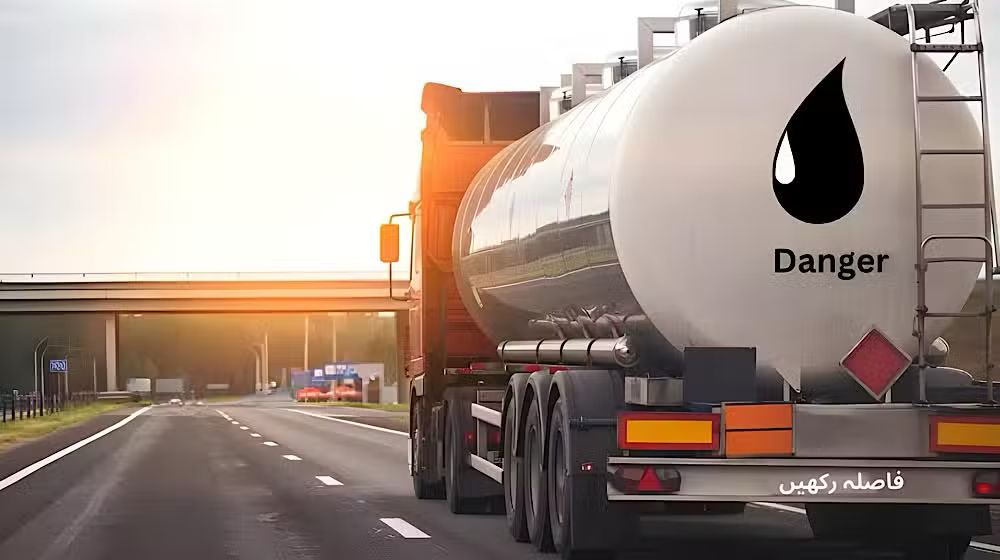
The digital system uses GPS tracking and data logging to capture real-time location, delivery schedules, and transaction records for oil tankers. The rollout follows a successful pilot program in select regions and is now being scaled nationwide. OGRA expects this digitization to reduce supply chain theft, illegal sales, and delivery fraud—issues that have historically plagued the sector.
Officials noted that the system will also support emergency response efforts during fuel shortages or disruptions. Transporters and dealers will be issued compliance protocols and unique identification codes for all consignments.
This move aligns with the government’s broader agenda to build a smart energy grid and introduce digital monitoring across critical infrastructure sectors. The implementation of a transparent petroleum distribution network is expected to enhance investor confidence, ensure fuel quality, and reduce financial losses caused by supply chain inefficiencies.
OGRA’s digital transformation sets a precedent for future reforms in other energy sectors.
Islamabad, July 9, 2025 – In a landmark move to modernize Pakistan’s energy infrastructure, the Oil and Gas Regulatory Authority (OGRA) has launched a nationwide track-and-trace system aimed at fully digitizing the petroleum supply chain. This initiative will monitor the movement of oil from refineries to depots and retail outlets, improving transparency, efficiency, and regulatory oversight.
The digital system uses GPS tracking and data logging to capture real-time location, delivery schedules, and transaction records for oil tankers. The rollout follows a successful pilot program in select regions and is now being scaled nationwide. OGRA expects this digitization to reduce supply chain theft, illegal sales, and delivery fraud—issues that have historically plagued the sector.
Officials noted that the system will also support emergency response efforts during fuel shortages or disruptions. Transporters and dealers will be issued compliance protocols and unique identification codes for all consignments.
This move aligns with the government’s broader agenda to build a smart energy grid and introduce digital monitoring across critical infrastructure sectors. The implementation of a transparent petroleum distribution network is expected to enhance investor confidence, ensure fuel quality, and reduce financial losses caused by supply chain inefficiencies.
OGRA’s digital transformation sets a precedent for future reforms in other energy sectors.