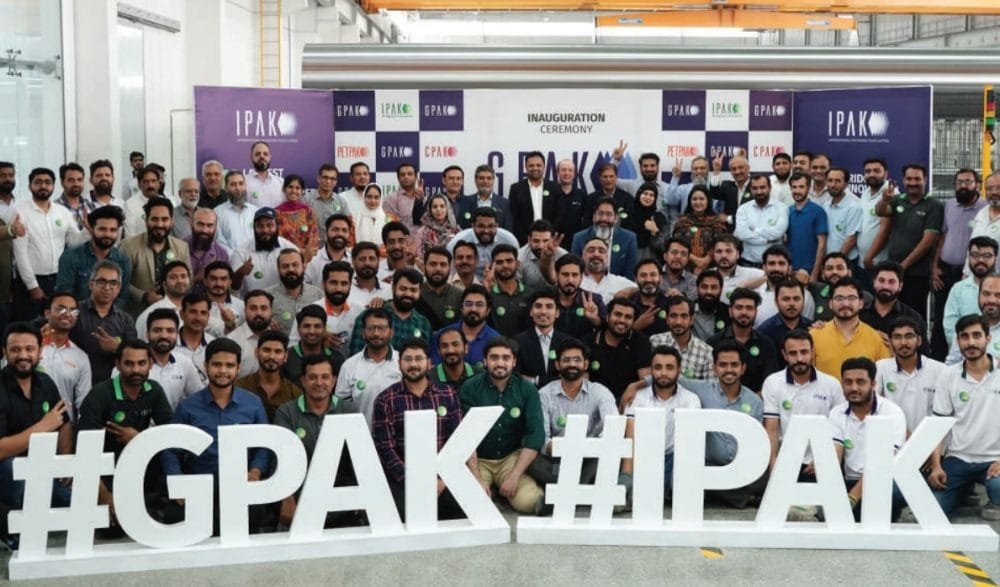
IPAK Group has reported a significant turnaround, posting a net profit of Rs. 664 million for fiscal year 2025, reversing previous losses and underscoring a renewed strategic discipline in operations, cost control, and revenue growth.
Read Moree: Yango Tech Partners with Naheed Supermarket to Power Grocery Delivery Through SuperApp in Karachi
Strengthened revenue streams—especially from core business segments—combined with tight expense management and improved asset utilization drove the profitability leap. IPAK’s senior management pointed to increased sales, favorable product mixes, and better supply‑chain efficiencies as key drivers. Earlier inventory write‑downs and project delays were addressed; procurement was aligned more closely to demand, and production workflows optimized to reduce wastage.
Margin expansion also played a pivotal role. Gross margins widened as raw material costs stabilized, inputs were sourced strategically, and working capital cycles shortened. The company also benefited from favorable interest‑rate movements and improved availability of financing at competitive costs. IPAK leadership emphasized that disciplined financial stewardship has reinforced liquidity and enabled reinvestment in capacity upgrades.
In addition, non‑core income—mainly from dividends, investment returns, and asset monetization—contributed to the bottom line, helping buffer operational fluctuations. IPAK’s board attributed part of the success to transparent reporting, stronger aligning of incentive structures, and investment in technology that improved forecasting and responsiveness to demand shifts.
Looking ahead, IPAK Group plans to continue leveraging this momentum—diversifying product lines, exploring export opportunities, and expanding into value‑added services. Leadership reaffirmed commitment to sustaining profitability, enhancing shareholder value, and delivering consistent financial performance as macroeconomic conditions remain challenging but gradually improving.