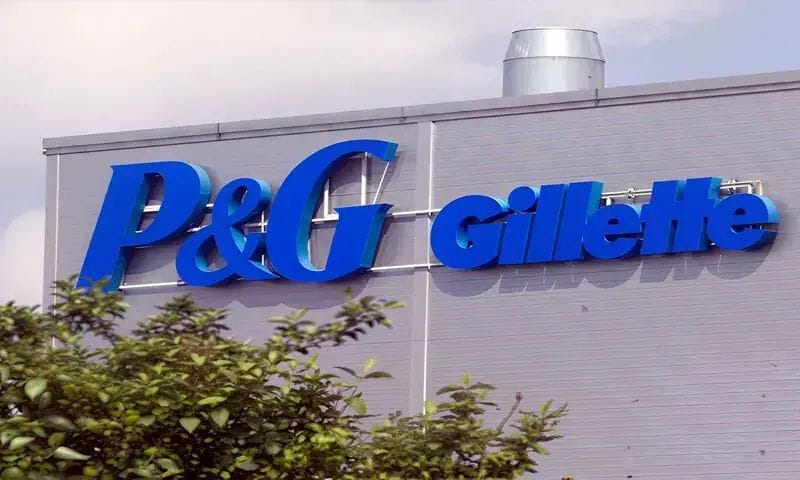
In a significant corporate development, Procter & Gamble (P&G) has decided to exit its manufacturing and commercial operations in Pakistan—transitioning instead to a third‑party distributor model as part of its global restructuring strategy. The change was disclosed by Gillette Pakistan Limited in a notice to the Pakistan Stock Exchange, and has stirred industry conversations about foreign investment, supply chains, and the future of FMCG in the country.
“The Gillette Company LLC has conveyed to Gillette Pakistan Limited, including its Board of Directors, the decision of the Procter & Gamble Company to discontinue its business in Pakistan as part of its global restructuring program, including portfolio, supply chain and organisation choices to accelerate growth and value creation,” the company’s notice read. The notice further stated that a board meeting will convene “to evaluate the actions required for this business discontinuation, including, where relevant, the potential delisting of Gillette Pakistan Limited from the Pakistan Stock Exchange, in compliance with all applicable legal and regulatory requirements.”
P&G elaborated that it will “wind up the manufacturing and commercial activities of P&G Pakistan and Gillette Pakistan Ltd. and serve consumers from our other operations in the region.” The company also committed to a transitional period in which operations will continue in the ordinary course while planning for staff and business realignment: “Employees whose roles are impacted by this decision will be considered for opportunities in other P&G operations outside Pakistan or will be offered separation packages… with a focus first on P&G people,” it said.
Gillette Pakistan’s share price soared on the news, closing at Rs. 233.31—up Rs. 21.21 or 10%. Investors responded strongly, interpreting the move as major disruption but also as a signal of capital shifts in the Pakistani market.
Observers note that P&G’s exit is in line with a wider trend—several multinational firms have scaled back or withdrawn operations in Pakistan, citing macroeconomic stress, policy uncertainty, and challenges in capital allocation. Analysts warn that this exit should be a wake‑up call: “When global giants pack up, it signals that our policy unpredictability, currency risks, and regulatory chaos have outweighed market potential,” posted former ICAP president Asad Ali Shah. Others, like Muzammil Aslam, Advisor Finance & IPC in Khyber Pakhtunkhwa, pointed to “policy inconsistencies” as a recurring impediment to foreign investment.
Gillette Pakistan has already initiated the first steps toward delisting. It announced that Series Acquisition B.V., which holds over 90% of the company’s shares, intends to purchase the remaining shares in a structured buyback. The delisting process will follow regulatory protocols, a general meeting of shareholders, and a pricing determination to safeguard minority investors.
This exit marks a pivotal moment for Pakistan’s FMCG sector. The shift from direct presence to a distributor model changes the local landscape—impacting jobs, supply chains, tax contributions, and competition. As P&G repositions its operations, the challenge now lies in how regulatory bodies, industry players, and government stakeholders respond.