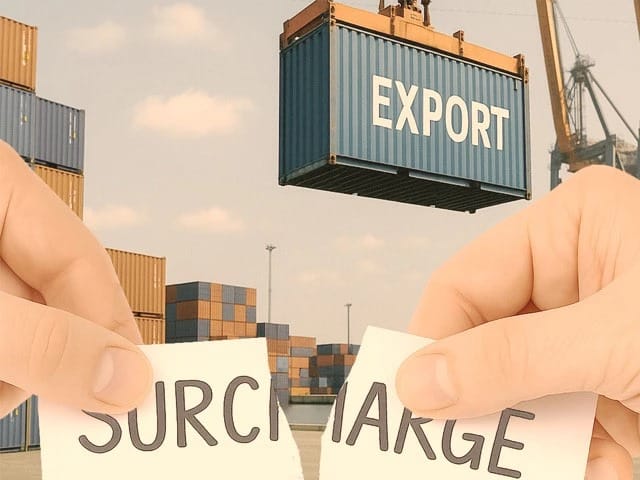
ISLAMABAD, PAKISTAN – In a powerful stimulus measure designed to supercharge the national economy, Prime Minister Shehbaz Sharif has announced the immediate abolition of the export surcharge, a long-standing financial levy on the country’s key exporting sectors. This decisive policy shift is aimed at enhancing the international competitiveness of Pakistani products, boosting export volumes, and positioning the nation for robust economic growth in the global marketplace.
The removal of the surcharge directly increases the profitability and working capital of exporters across vital industries such as textiles, leather goods, sports merchandise, and surgical instruments. By reducing the cost of doing business, the government is empowering local firms to compete more aggressively on price, reinvest in modernizing their machinery, and explore new international markets. This move is widely seen as a critical intervention to reverse trade imbalances and build a sustainable, export-led economic model for Pakistan.
Read More: SCICON 6.0, 2025: A Celebration of Science, Creativity, and Innovation
The decision was announced following high-level consultations with industry leaders and economic experts, who have consistently advocated for such fiscal measures to alleviate pressure on the export sector. The Prime Minister emphasized that this initiative is a cornerstone of the government’s broader agenda to improve the ease of doing business, attract foreign direct investment, and create a more favorable environment for industrial expansion and job creation.
“Today, we have taken a concrete step to unleash the true potential of our exporters,” stated Prime Minister Shehbaz Sharif. “Abolishing this surcharge is not merely a tax relief measure; it is a strategic investment in our national economic security. We are putting money back into the hands of our businesses so they can innovate, expand, and make ‘Made in Pakistan’ a dominant brand worldwide. Our goal is clear: to achieve record-high exports and create millions of new jobs for our talented workforce.”
The policy has been met with widespread acclaim from business chambers and trade associations across the country. Economic analysts predict that the increased export revenues will have a multiplier effect, strengthening the Pakistani Rupee, building foreign exchange reserves, and fostering greater macroeconomic stability. The government has affirmed its commitment to implementing further such reforms to ensure Pakistan becomes a top-tier destination for trade and investment.