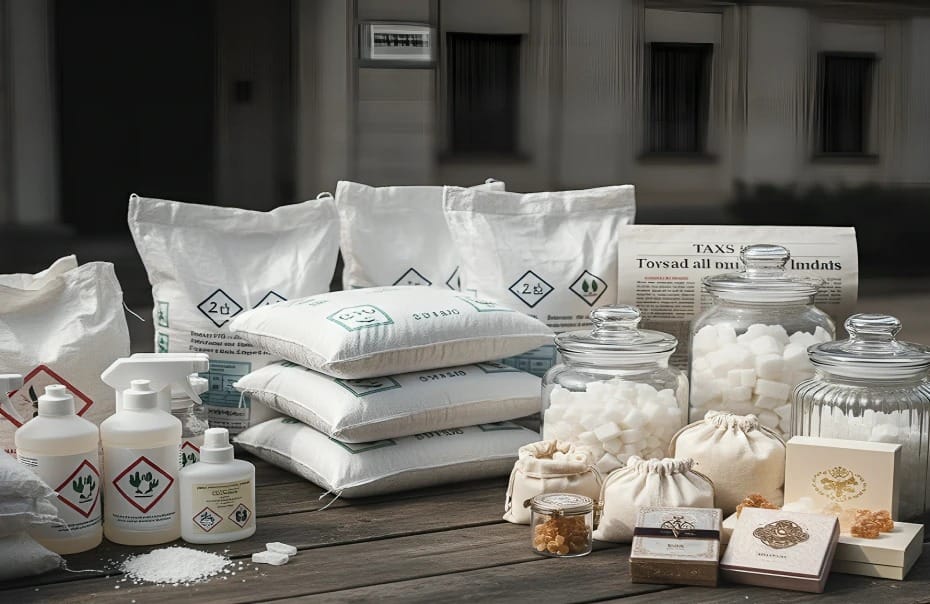
The federal government of Pakistan is moving forward with plans to impose higher customs duties on imported fertilizers, certain chemical products, and expensive sugar items as part of its strategy to increase tax revenues and protect domestic industries. The proposed adjustments are aimed at reducing the growing trade deficit while supporting local manufacturers and encouraging import substitution.
Under the new proposal, higher duty rates are expected to be applied to a range of fertilizer imports that have historically benefited from lower tariffs. By increasing import duties on urea, DAP (diammonium phosphate), and other key fertilizer types, policymakers aim to reduce reliance on foreign supply and strengthen the competitiveness of locally produced alternatives. These duty amendments will impact importers, distributors, and farmers who depend on these agricultural inputs.
In addition to fertilizers, the government is considering raising duties on specific chemical products that are widely imported for industrial use. The move is designed to level the playing field for domestic chemical manufacturers, reduce dependency on imported raw materials, and support Pakistan’s industrial growth objectives.
Another focus of the duty review includes high-cost sugar items, where elevated tariffs may be applied to luxury or value-added sugar products. Officials believe that increasing duties on these imported items could help protect local sugar producers, stabilise the domestic market, and generate additional revenue for the national treasury.
Government officials have indicated that the proposed duty increases are being carefully calibrated to balance revenue needs with potential impacts on consumers and businesses. Industry representatives and trade associations are expected to engage with policymakers as the plan moves toward formal implementation.
Analysts say the proposed adjustments reflect broader efforts by economic planners to address balance-of-payments pressures, manage fiscal challenges, and strengthen Pakistan’s industrial base. While higher import duties can help raise government revenues and encourage local production, stakeholders are watching closely to assess how these changes may affect prices, supply chains, and economic activity in key sectors such as agriculture, manufacturing, and retail.