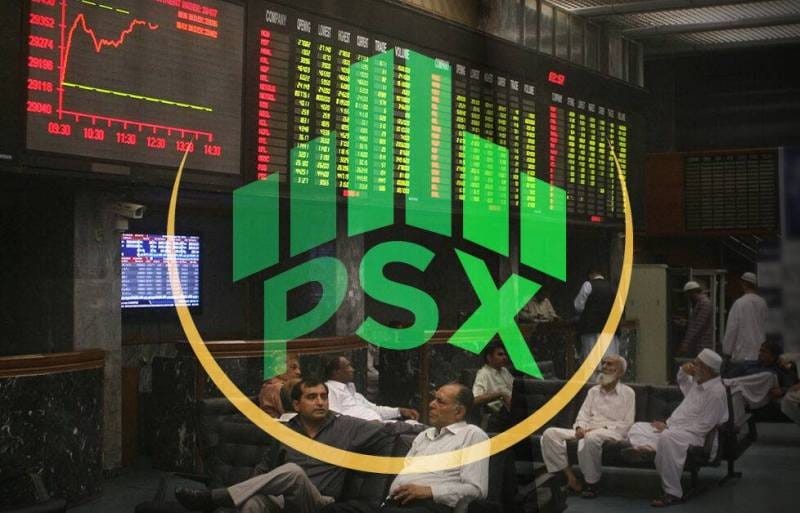
The Pakistan Stock Exchange (PSX) ended the session in negative territory as profit-taking by investors erased early gains, despite initial optimism driven by a surprise policy rate cut. The benchmark KSE-100 Index opened strongly, supported by positive sentiment following the State Bank of Pakistan’s decision to reduce the policy rate, which initially encouraged buying across several key sectors.
Read More: Young Leaders Conference 2025 Highlights Social Stewardship on Day Two
During early trading hours, strong participation was seen in banking, power generation, and textile stocks, lifting the index to intraday highs. Investors reacted positively to the lower interest rate environment, which is generally viewed as supportive for equities due to reduced borrowing costs and improved corporate earnings prospects. However, as the session progressed, selling pressure emerged as market participants chose to book profits after the recent rally.
By the close of trading, the KSE-100 Index had slipped into the red, reflecting cautious investor behaviour amid elevated index levels. Heavyweight stocks in sectors such as fertilisers, oil and gas exploration, and technology contributed to the downward movement, offsetting gains made earlier in the day. The decline highlighted the market’s sensitivity to profit-taking following sharp upward moves.
Despite the index closing lower, overall trading activity remained healthy, indicating continued investor engagement in the PSX. High volumes in selected stocks suggested that market interest remains intact, even as short-term corrections take place. Analysts note that such pullbacks are common after strong rallies and often serve as a consolidation phase rather than a reversal of trend.
From an SEO perspective, key factors influencing the PSX include the policy rate cut, KSE-100 Index movement, investor sentiment, and profit-taking behaviour. Market experts believe that while near-term volatility may persist, the broader outlook for Pakistan’s stock market remains cautiously positive, supported by monetary easing, improving macroeconomic indicators, and sustained investor participation.
Overall, the PSX’s dip underscores the balance between optimism around economic policy support and the natural tendency of investors to secure gains at higher market levels.Tools