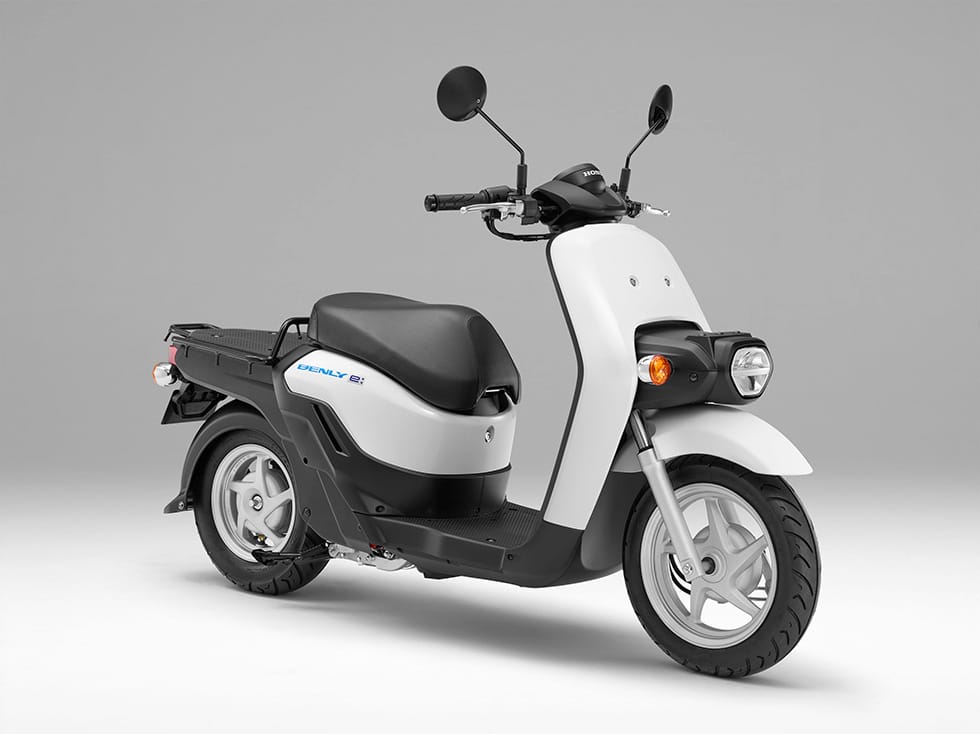
Atlas Honda, Pakistan’s largest two-wheeler manufacturer, is set to launch its first electric bikes by June 2025, marking a significant shift in the country’s evolving electric vehicle (EV) landscape. Industry sources confirm that the move is aimed at maintaining the company’s dominant market position while capitalizing on the emerging demand for electric mobility.
Read More: Pakistan’s Auto Industry Rebounds with 44% Surge in Car Sales and Production in FY 2024-25
Despite commanding over 85% of Pakistan’s motorcycle market and exporting to several countries, Atlas Honda faces a challenging EV sector. High costs, limited charging infrastructure, and consumer skepticism have slowed the adoption of electric two-wheelers, with EV bikes making up less than 1% of total motorcycle sales in 2024. However, industry experts believe that Atlas Honda’s strong brand reputation and extensive local manufacturing network could be a game changer in accelerating EV adoption.
The company’s production setup, which manufactures approximately 1.3 million motorcycles annually, is built on a deeply localized supply chain, with over 95% of components sourced domestically. This well-established infrastructure, combined with in-house research and development, gives Atlas Honda an advantage in designing electric bikes tailored to Pakistani road conditions and consumer needs.
Globally, electric two-wheelers are witnessing rapid growth, particularly in markets like India and China, where affordability and government subsidies have driven demand. However, evolving EV technologies such as advanced battery systems and ultra-fast charging for four-wheelers pose challenges for companies importing pre-assembled electric bike kits. Experts suggest Atlas Honda must invest heavily in localized production to remain competitive as battery technology continues to advance.
Atlas Honda’s upcoming electric bikes will reportedly feature a 48-watt battery with a charging time of six to seven hours and an estimated range of 65 kilometers per charge. The portable charger allows for convenient charging at home or the office, though actual performance may vary based on rider weight, terrain, and driving habits.
While official pricing remains undisclosed, sources indicate that Atlas Honda’s electric bikes will carry a slight premium over existing local models due to higher-quality components. Competing brands such as Jolta Electric and SkyElectric currently offer electric bikes in the Rs150,000 to Rs350,000 price range.
Initial production is expected to be 25,000 units, after which Atlas Honda plans to manufacture around 8,000 units annually. While this represents a small portion of the company’s total output, it signals a cautious yet strategic entry into Pakistan’s EV sector, with the potential for future expansion as demand for electric mobility grows.