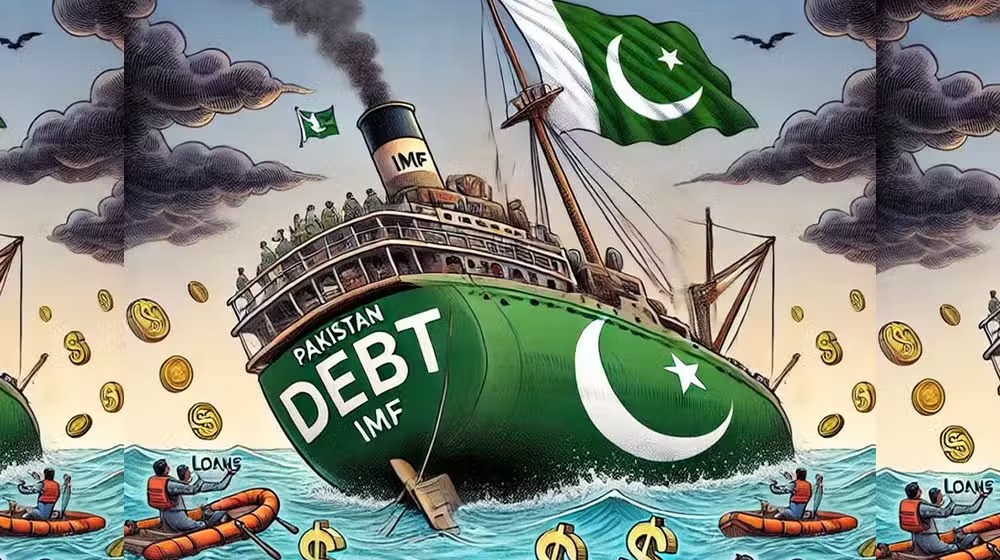
Pakistan is exploring a comprehensive strategy to move away from reliance on International Monetary Fund (IMF) bailout programmes permanently once its current financial support arrangement concludes in 2027. Government officials and economic planners are considering a broad set of fiscal, structural, and policy reforms that could empower Pakistan to manage its macroeconomic challenges independently, reduce external financing dependence, and strengthen long-term economic resilience.
Read More: Kuwait Set to Expand Investment in Pakistan Across Strategic Sectors
The strategic review encompasses several core areas of economic policy, including revenue mobilisation, expenditure rationalisation, monetary management, and external sector stability. Officials have underscored the need to broaden the tax base, improve tax administration effectiveness, and reduce fiscal deficits in order to achieve durable economic stability without future reliance on IMF support. These objectives are expected to be central to Pakistan’s post-2027 economic roadmap.
In addition to fiscal reforms, Pakistan’s strategy includes enhancing export competitiveness by diversifying key export sectors, improving international market access, and encouraging value addition in industries such as textiles, information technology, agriculture, and light manufacturing. Strengthening export performance is seen as critical to generating foreign exchange reserves and reducing pressure on the country’s balance of payments.
Monetary policy reforms aimed at maintaining price stability, controlling inflation, and stabilising the exchange rate are also under discussion. Economic planners believe that a stable macroeconomic environment will help foster investor confidence, attract foreign direct investment (FDI), and support private sector growth. Prudent debt management and better coordination between fiscal and monetary authorities are viewed as key elements of a sustainable economic framework.
Pakistan’s strategy to move beyond IMF programmes reflects ambitions to adopt home-grown reform measures tailored to national priorities and long-term development goals. Policymakers are expected to engage with a wide range of stakeholders — including business communities, economists, and international partners — to shape pragmatic and effective policy directions.
Analysts note that achieving such independence will require consistent implementation of reforms, strong institutional capacity, and political consensus. While the IMF has historically played a role in stabilising Pakistan’s economy during periods of financial stress, the shift toward self-reliance is framed as a milestone in the country’s economic evolution.
The ongoing strategy deliberations signal Pakistan’s intent to pursue sustainable growth pathways that balance fiscal discipline with development needs, reduce vulnerability to external shocks, and strengthen economic fundamentals in the years following the end of the current IMF programme in 2027.