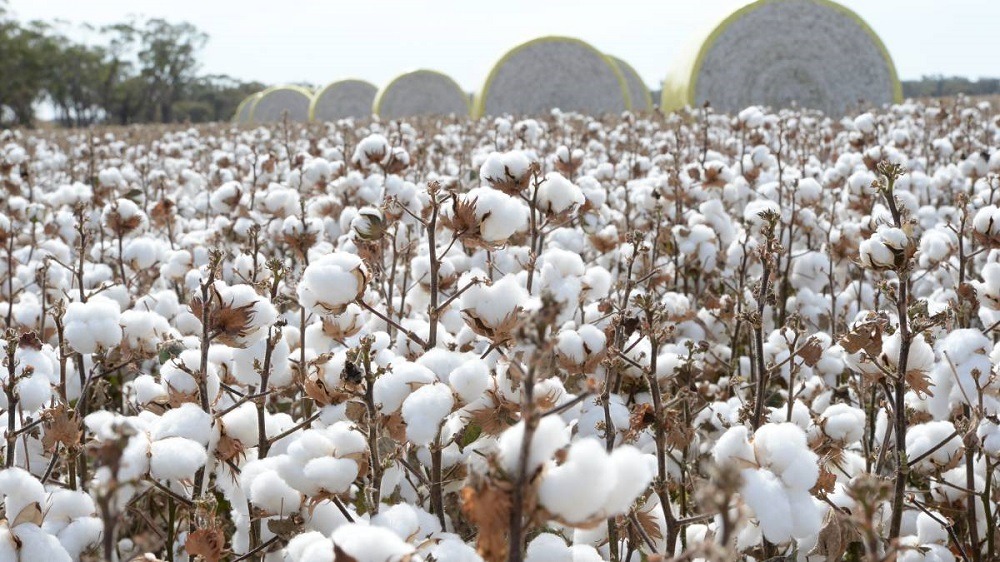
Cotton arrivals in Pakistan declined slightly by 1.23 percent, reflecting shifting regional dynamics as Sindh overtook Punjab in total crop receipts during the latest reporting period. The change in arrival patterns underscores evolving harvest trends and supply conditions in the country’s key cotton‑producing provinces.
Read More: Islamabad High Court Ruling Allows Fecto Cement to Reopen Sangjani Facility
Data from wholesale markets show that the overall volume of cotton delivered for sale dipped compared to the previous period, signalling early signs of a slower start in some areas. While Punjab — historically the largest contributor to national cotton arrivals — continued to supply significant volumes, it was Sindh that recorded higher aggregate receipts this season. Agricultural analysts say this shift can be attributed to variations in crop maturity, weather conditions, and farm‑level harvest schedules in both provinces.
Sindh’s stronger performance in cotton deliveries highlights the region’s resilience despite ongoing concerns over pest pressure, water availability, and input costs. Farmers in Sindh have been actively transporting bales to market centres, contributing to a surge in regional activity. By contrast, parts of Punjab experienced a comparatively delayed harvest, influencing overall arrival figures.
Cotton is a cornerstone of Pakistan’s agricultural and industrial base, supporting the textile sector — a major exporter and employer. Fluctuations in cotton arrivals are closely watched by traders, millers and policymakers as they can impact pricing, supply chains, and inventory planning for textile manufacturers. The observed dip in total arrivals underscores the importance of monitoring crop progress and regional variations throughout the season.
Market experts note that while the slight decrease in total cotton receipts may influence short‑term supply sentiments, it does not necessarily signal broader production declines. Crop yields and final output will depend on weather factors, pest management outcomes and remaining harvest progression across districts. Continued monitoring of arrival trends in both Sindh and Punjab will provide clearer insight into overall crop performance for the season.
Cotton market participants also emphasise that the provincial shift in arrival leadership could influence regional pricing dynamics and trade flows. With Sindh currently at the forefront of deliveries, textile mills and ginners are expected to adjust procurement strategies to balance purchase costs and inventory requirements. These shifts highlight the interconnected nature of agricultural production and industrial demand in Pakistan’s cotton and textile ecosystem.
Overall, the reported 1.23 percent dip in cotton arrivals — paired with Sindh’s lead over Punjab — reflects ongoing seasonal variability and underscores the need for stakeholders to remain attuned to evolving crop and market conditions.