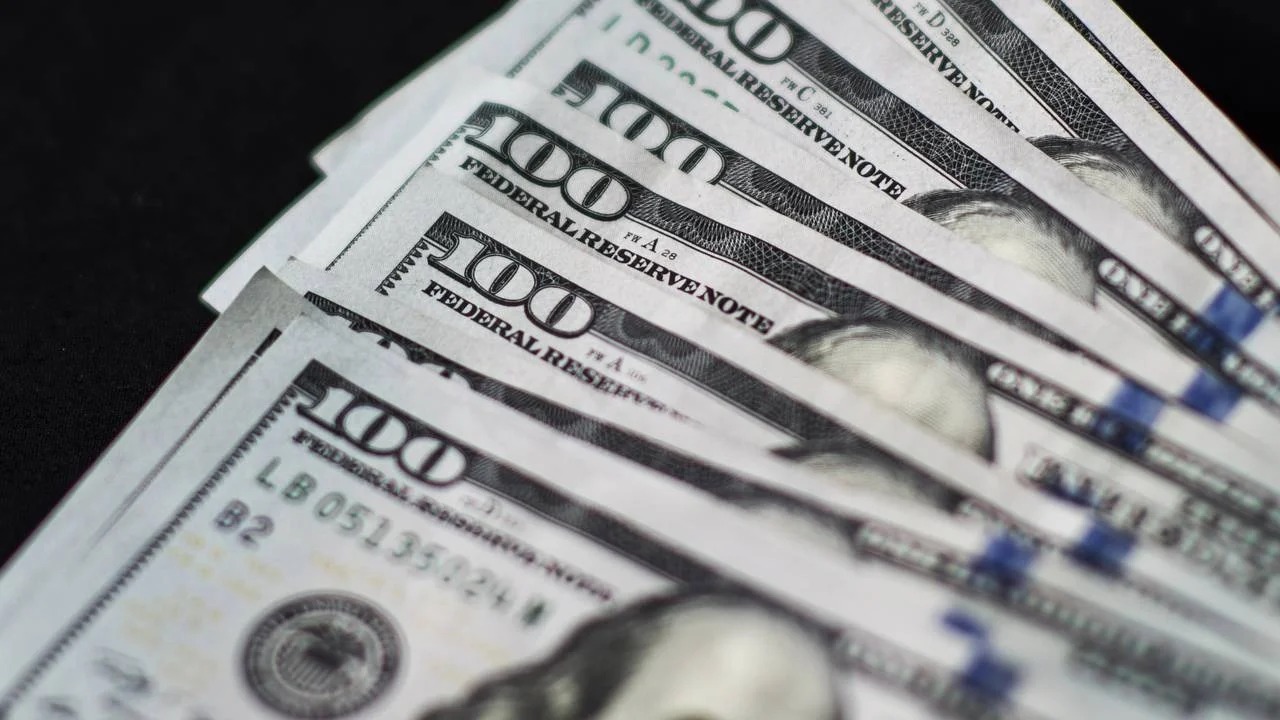
A shortage of US dollars in Pakistan’s foreign exchange market is creating difficulties for international travellers, students studying abroad, and others needing overseas remittances, as limited currency availability and stricter controls strain access to greenbacks. The shortage has led to processing delays, higher unofficial exchange rates, and growing frustration among those attempting to meet travel and education-related expenses.
Read More: Gold Prices Jump to All-Time High in Pakistan on Expectations of US Rate Cuts
Individuals planning travel for tourism, business, or academic purposes are reporting challenges in securing required dollars through authorised banking channels. Many students of Pakistani origin studying overseas have expressed concern that delays in obtaining dollars are affecting their ability to pay tuition fees, secure housing deposits, and cover living costs on time. Families are facing additional stress as they navigate limited dollar quotas and extended processing times at banks.
Officials attribute the shortage to tight foreign exchange reserves, regulatory restrictions on dollar outflows, and increased demand for foreign currency amidst broader economic pressures. With Pakistan’s reserves under strain, state policies have prioritised stabilising reserves and limiting non-essential outflows, leading to tighter controls on dollar withdrawals and remittances. As a result, authorised banks are operating with constrained dollar supplies and stricter documentation requirements.
The shortage has also impacted travel agents and education consultancies that assist students and travellers in planning international departures. These businesses report longer lead times for confirming foreign exchange allocations, higher operational costs, and uncertainty in managing client itineraries. The situation is affecting both scheduled departures and last-minute travel plans, forcing some individuals to postpone their travel until foreign exchange availability improves.
In daily currency markets, limited official supply has contributed to upward pressure on unofficial exchange rates, with some individuals turning to parallel markets at higher premiums to meet urgent needs. This trend not only increases costs for travellers and students but also highlights ongoing challenges in managing Pakistan’s foreign exchange framework.
Economists warn that prolonged dollar scarcity can have broader economic consequences, including reduced consumer confidence, hindered educational mobility, and delays in business travel or investment activities. They recommend strengthening remittance channels, encouraging foreign exchange inflows, and enhancing reserve buffers to address the shortage more sustainably.
For now, travellers and students are advised to plan well ahead of time, engage with authorised financial institutions early in the process, and stay informed about changing forex policies. The shortage underscores the need for continued efforts to stabilise Pakistan’s foreign exchange reserves and ensure smoother access to foreign currency for essential travel and education purposes.