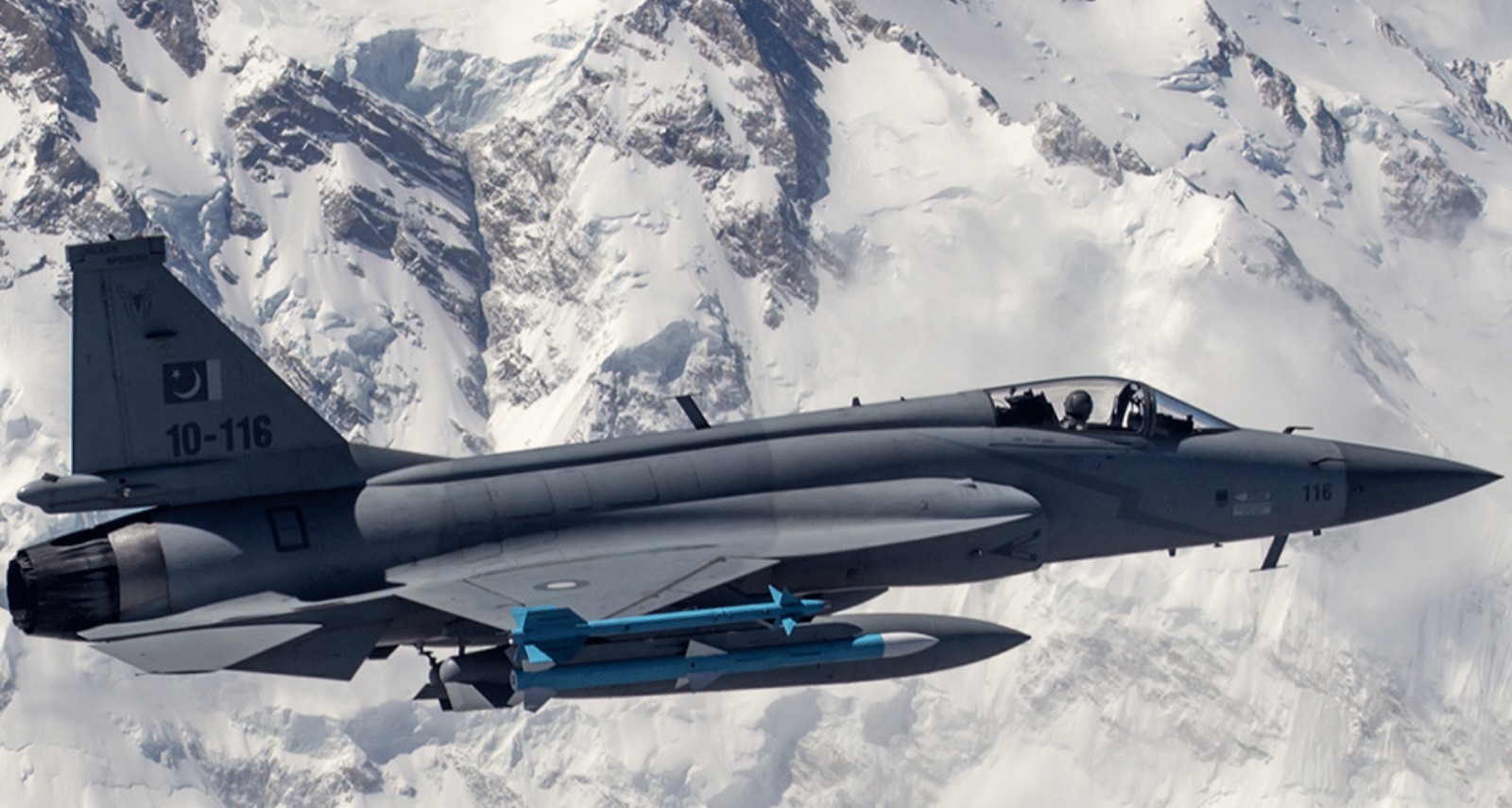
Pakistan has finalised a landmark $4 billion military export agreement with Libya that will see the delivery of 16 JF-17 fighter jets, marking one of Pakistan’s largest defence exports to date. The deal underscores growing defence cooperation between the two countries and positions Pakistan as a significant player in the global military aircraft market.
Read More: Zindigi Wins Best Digital Banking Experience Pakistan Award at FDI Insider Awards UK
Under the agreement, Pakistan will supply Libya with a fleet of 16 multirole JF-17 Thunder aircraft, along with associated training, spare parts, and support infrastructure. The JF-17, developed jointly by Pakistan Aeronautical Complex (PAC) and China’s Chengdu Aircraft Corporation, is renowned for its versatility, combat capability, and cost-effectiveness, making it an attractive option for air forces seeking modern fighter solutions within a competitive budget framework.
Officials involved in the negotiations highlighted the strategic importance of the transaction, noting that the deal represents a milestone in Pakistan’s defence export trajectory. The agreement not only strengthens bilateral ties with Libya but also enhances Pakistan’s reputation as a reliable supplier of advanced defence technology and aerospace products.
The export package is expected to include comprehensive flight training for Libyan pilots, ground crew instruction, logistical support, and long-term maintenance services. This integrated support framework ensures that Libya’s air force will be able to effectively operate and sustain the JF-17 fleet over its lifecycle. Defence analysts say these value-added services are crucial in long-term military partnerships and often influence future collaborative opportunities.
Market observers believe the deal could open doors for additional defence contracts in Africa and beyond, as Pakistan seeks to diversify its export markets for defence equipment and aerospace technology. The JF-17’s competitive acquisition and operational costs have positioned it as a viable alternative to more expensive fighter platforms, particularly for air forces with limited budgets but ambitious capability requirements.
Beyond economic gains, the deal is anticipated to have strategic implications by enhancing interoperability, joint training opportunities, and defence collaboration between Pakistan and Libya. It may also spur interest from other nations evaluating cost-effective solutions for upgrading their air capabilities.
Overall, the $4 billion Libya JF-17 deal marks a historic achievement for Pakistan’s defence export sector, showcasing the nation’s growing industrial expertise and strategic outreach in international defence markets. The agreement is expected to bolster Pakistan’s profile as a trusted partner for advanced military equipment and long-term defence cooperation.