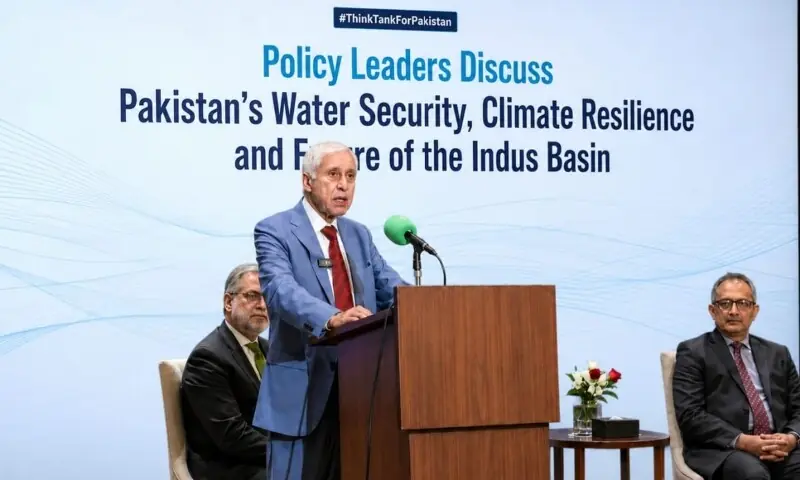
The British Council announced that its Cultural Protection Fund is entering its tenth year, continuing its work to safeguard cultural heritage at risk from conflict and climate change across Pakistan. Since 2022, the Fund has supported community-driven initiatives to protect heritage that connects people to history, identity, and shared cultural memory.
Read More: Pakistan Inaugurates Historic First Ferry Terminal and Advances Major Digital Finance Agenda
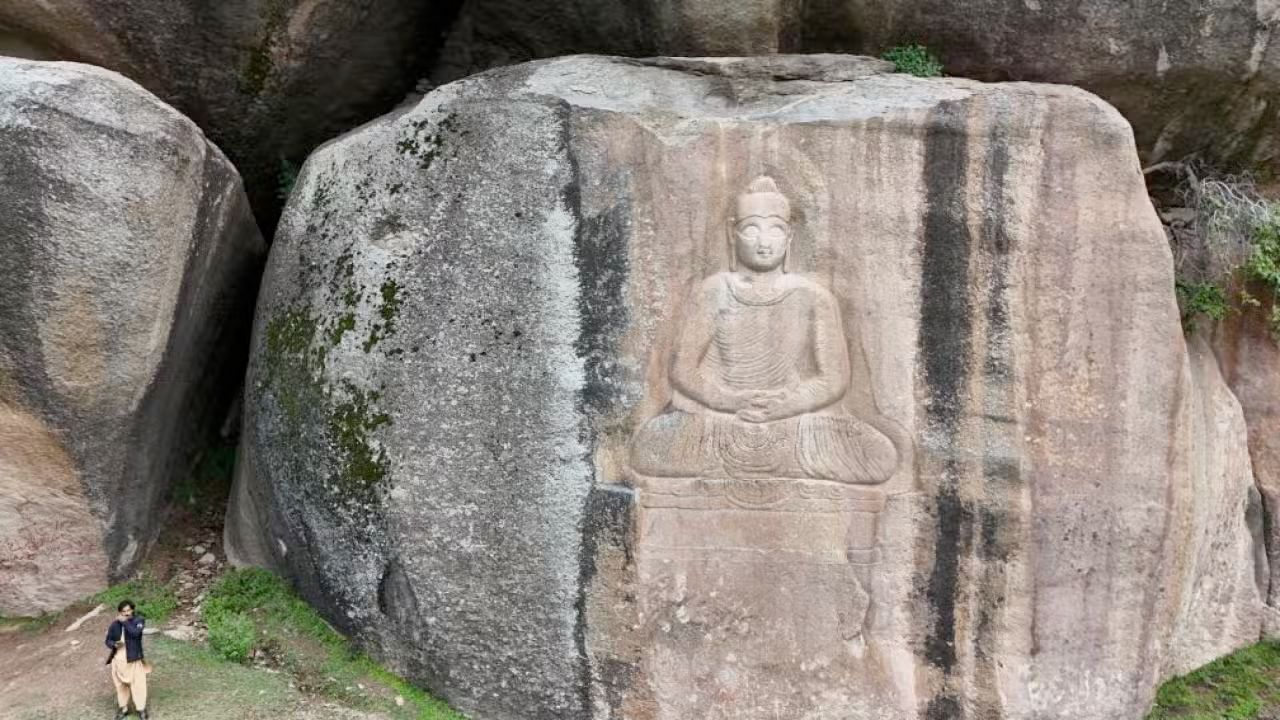
In Pakistan, the Fund has supported a diverse portfolio of projects, including preserving maritime heritage in the Indus Delta, safeguarding Hazara crafts, restoring Buddhist carvings in the Swat Valley, repairing historic Silk Route buildings, and reopening Karachi’s Khalikdina Hall as a revitalized cultural hub for public engagement.
James Hampson, Country Director, British Council Pakistan, said: “The Cultural Protection Fund is investing in the people who protect Pakistan’s cultural heritage. The British Council will continue to play an important role in building the skills, knowledge and understanding of heritage professionals who are the forefront of this work.”
The Fund’s community-focused initiatives are designed to support recovery, resilience, and renewal, helping communities reclaim cultural knowledge and strengthen futures rooted in identity and belonging.
As part of its 2026 programme, the British Council will deliver a series of capacity-building workshops across South Asia starting in January, aimed at strengthening the skills, networks, and preparedness of heritage professionals and organisations.
On 10 and 11 February in Lahore, local and international stakeholders will convene for a two-day capacity-building programme focused on learning and exchange. The programme will connect heritage practitioners across Pakistan and globally, enhance coordination across the sector, and support participants in engaging more effectively with national and international heritage initiatives.