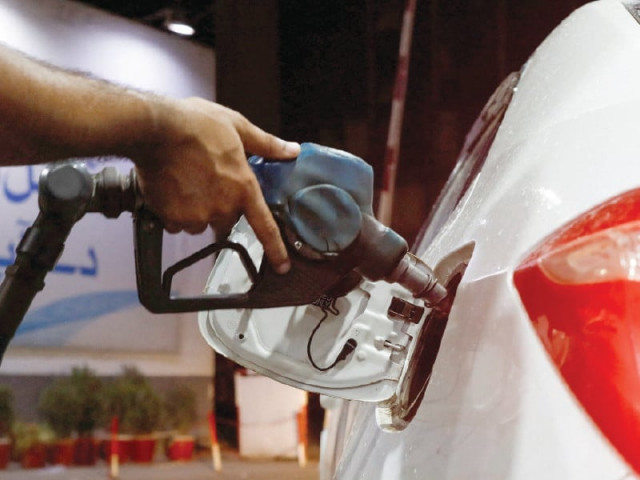
South Asia’s energy landscape is increasingly diverging as soaring global oil prices, driven by escalating tensions between the United States and Iran, push neighboring economies onto sharply different policy paths. While Pakistan has been compelled to pass on the full impact of rising crude prices to consumers, India has managed to keep retail fuel prices unchanged by leaning on strategic reserves and diversified import routes.
Read More: Bahrain’s Bapco Energies Declares Force Majeure Following Refinery Attack Amid Regional Conflict
The contrasting responses expose a significant gap in fiscal flexibility and energy security between the two countries. Pakistan announced a record Rs55 per liter increase in petrol prices, while India has maintained stable rates by allowing state-run oil marketing companies to absorb temporary losses using margins accumulated when global oil prices were lower in 2025.
Pakistan’s IMF-Driven Pass-Through Policy
Following the latest revision, petrol prices in Pakistan have climbed to Rs321.17 per liter. Finance Minister Muhammad Aurangzeb and Petroleum Minister Ali Pervaiz Malik have described the sharp fuel price hike as unavoidable, given the country’s commitments under the International Monetary Fund’s Extended Fund Facility. The program requires Pakistan to maintain strict fiscal discipline and restricts unfunded energy subsidies that could widen the fiscal deficit.
With the petroleum levy already near its statutory ceiling, the government has limited room to cushion the impact of global oil shocks. The full pass-through policy, while fiscally responsible under IMF guidelines, places immediate burden on consumers and businesses already grappling with inflationary pressures.
India’s Strategic Reserves and Diversification Strategy
In contrast, petrol prices in India remain at approximately Rs94.77 per liter in Delhi. India’s ability to maintain stable prices despite Brent crude approaching and exceeding $100 per barrel stems from a long-term strategy aimed at strengthening energy security. The country has accumulated strategic petroleum reserves and commercial stocks sufficient for roughly 50 to 74 days of consumption, providing policymakers with critical breathing room during supply disruptions.
India has also diversified its crude sourcing, increasing imports from suppliers outside the Strait of Hormuz, which remains vulnerable amid ongoing geopolitical tensions. As a result, approximately 70 percent of India’s crude now arrives through routes unaffected by the current naval blockade in the region. Additionally, a temporary United States waiver allowing limited Russian oil purchases has provided Indian refiners with extra flexibility in managing supply.
Economic Implications for Both Nations
Higher fuel costs in Pakistan are expected to feed into transport and food prices, raising concerns about a fresh wave of inflation just as policymakers had begun anticipating monetary easing. The industrial sector is also expressing unease, with export-oriented industries, particularly textiles and manufacturing, arguing that rising energy costs could erode their competitiveness against regional rivals.
India, by contrast, is benefiting from short-term price stability, offering its manufacturers greater cost certainty even as global energy markets remain volatile. This stability provides Indian industry with a competitive advantage in international markets where Pakistani exporters face increasing input costs.
Policy Responses to Ongoing Volatility
To manage the ongoing volatility, Pakistan has announced a shift to weekly fuel price reviews, allowing authorities to adjust prices more frequently in line with global market movements. This approach aims to prevent large, shock adjustments by spreading the impact of price changes over time, though it also introduces greater uncertainty for consumers and businesses.
India, meanwhile, appears comfortable holding the line on prices for now. However, a prolonged disruption in global oil supply would eventually test even New Delhi’s strategic buffers. The duration of the current crisis will determine whether India can maintain its price stability approach or whether it will eventually need to pass through some portion of global price increases.