The Balochistan government has set the price of Iranian smuggled petrol at Rs280 per litre and announced strict action against anyone charging above the official rate. The decision was taken in a meeting chaired by Chief Minister Mir Sarfraz Bugti, where officials approved a province-wide price cap aimed at regulating the informal fuel market.
Read More: Oil Industry Opposes New Fuel Pricing Formula, Warns of Market Distortions
According to Kalat Deputy Commissioner Munir Ahmed Durrani, Iranian petrol will only be sold within Balochistan, and its movement outside the province will not be allowed. He stressed that no trader or supplier would be permitted to exceed the government-fixed price.
Rationale Behind the Price Cap
Officials said there is no justification for linking Iranian fuel prices with federally regulated imported petroleum rates. The move comes amid reports that prices of Iranian petrol in local markets had surged to between Rs300 and Rs360 per litre following recent adjustments in federal petroleum rates. Authorities say the new cap is aimed at stabilizing informal fuel trade and preventing exploitation of price fluctuations.
Authorities added that enforcement teams will conduct strict inspections, and legal action will be taken against violators found overcharging consumers.
Context of Smuggled Fuel Trade
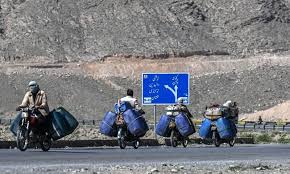
The use of Iranian smuggled petrol in Balochistan has long been widespread due to significant price differences between heavily subsidized Iranian fuel and higher domestic petrol prices in Pakistan, making illicit fuel trade a common economic activity along the Pakistan-Iran border. Smuggled fuel has historically supplied a substantial portion of local demand, with millions of litres entering Balochistan daily and serving as a cheaper alternative for consumers and transporters alike.
This informal trade has also become a vital source of livelihood for many residents in the region, where economic opportunities are limited, and entire communities depend on the cross-border fuel market for income.
Impact of Geopolitical Tensions
However, ongoing geopolitical tensions and disruptions, such as the recent conflict in Iran, have affected the flow and availability of smuggled petrol, leading to supply shortages and price volatility in local markets. Authorities in Pakistan and Iran have periodically attempted to crack down on fuel smuggling, citing revenue losses, economic distortions, and security concerns linked to organized networks involved in the illicit trade.
Enforcement Measures
The Balochistan government has made it clear that enforcement teams will conduct strict inspections across the province. Legal action will be taken against violators found overcharging consumers. The price cap applies only to sales within Balochistan, with movement of Iranian petrol outside the province strictly prohibited.
About the Balochistan Government
The Government of Balochistan is the provincial governing body responsible for administration, law enforcement, and economic regulation in Pakistan’s largest province by area. The province shares a long border with Iran, making it the primary entry point for cross-border fuel trade.