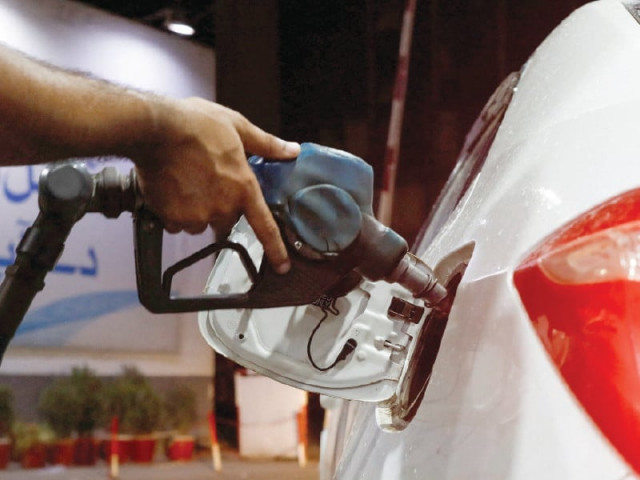
In a decisive move toward sustainable transportation and environmental leadership, the Government of Punjab has announced a comprehensive policy to phase out fossil fuel-powered vehicles from its official fleet. The new regulations impose an immediate ban on the procurement of new petrol and diesel vehicles for all government departments, mandating a full transition to Electric Vehicles (EVs) and Hybrid vehicles.
Read More: ITCN Asia 2026 Set to Return to Lahore as Premier Technology Expo in South Asia
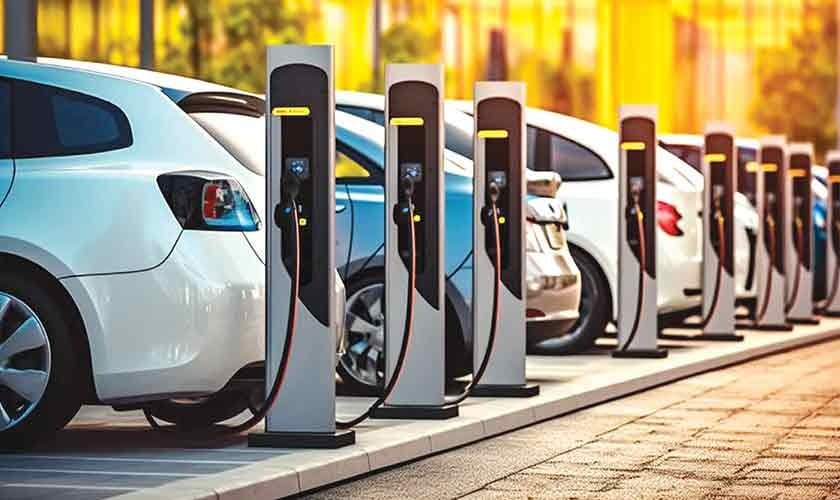
The policy represents one of the most significant green initiatives by a provincial government in Pakistan, directly targeting the public sector’s carbon footprint. Under the mandate, all future vehicle purchases for official use must be either fully electric or hybrid models. The government will also develop a phased roadmap to gradually replace existing petrol and diesel vehicles in its current fleet with cleaner alternatives, supported by the installation of necessary EV charging infrastructure at government offices and premises.
This strategic shift is designed to achieve multiple objectives: reducing air pollution and greenhouse gas emissions in major urban centers, lowering the government’s long-term fuel import bill and operational costs, and stimulating local demand for the nascent EV market in Pakistan. The move is expected to send a powerful signal to automakers, investors, and the public, accelerating the adoption of green mobility solutions across the province.
“The ban on new fossil fuel vehicles for our official fleet marks the beginning of Punjab’s clean transport revolution,” stated the Chief Minister of Punjab. “As the largest province, we have a responsibility to lead by example. This policy will cut emissions, save public money on fuel, and drive investment in EV infrastructure and technology, paving the way for a greener, more economically resilient Punjab. Our commitment is to make the government’s fleet 100% green within a defined timeline.”
The government’s Transport and Energy departments will jointly issue detailed implementation guidelines, including approved vehicle specifications, procurement procedures, and the installation plan for charging stations.