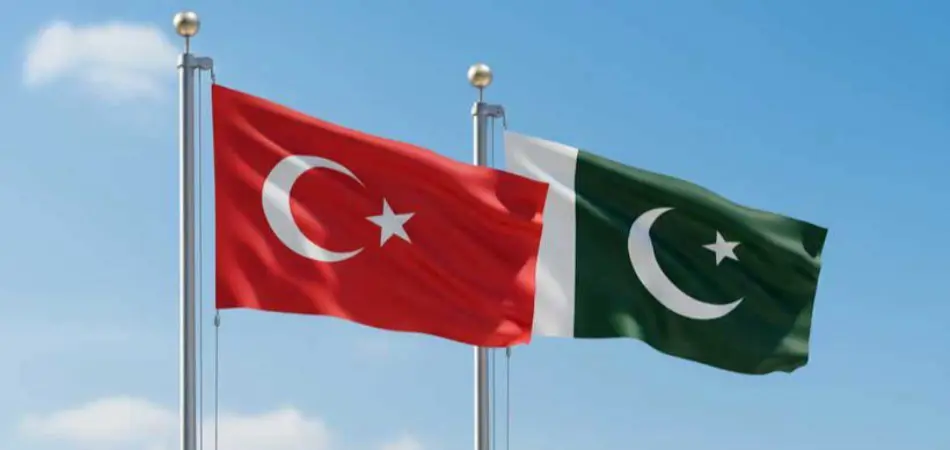
Pakistan and Türkiye will sign a Memorandum of Understanding (MoU) on judicial cooperation on April 6 at the Supreme Court of Pakistan, establishing a formal and structured framework for collaboration between their top constitutional courts. The agreement will be signed at the start of a four-day visit (April 6–9) by a high-level delegation from the Constitutional Court of the Republic of Türkiye, led by its President Kadir Özkaya, along with senior judges and officials.
The MoU is expected to institutionalize cooperation in judicial exchange, capacity building, and the sharing of best practices in adjudication, marking a step toward closer coordination on constitutional governance, rule of law, and judicial independence.
Focus on Professional Development
A central component of the agreement focuses on professional development within the judiciary, particularly at the district level. This includes joint training programs, academic exchanges, and exposure to comparative judicial practices aimed at strengthening legal capacity and improving the quality of adjudication.
The collaboration also covers the integration of modern technologies into judicial processes to enhance efficiency, transparency, and accessibility of justice—key reform areas for Pakistan’s justice system.
Implementation Mechanism
To ensure continuity and effective implementation, the MoU provides for the establishment of a Joint Working Group that will oversee agreed areas of cooperation and maintain sustained institutional engagement between the two sides.
High-Level Institutional Interactions
During their stay, the Turkish delegation will participate in high-level institutional interactions with key justice sector stakeholders. Discussions are expected to focus on contemporary challenges in adjudication, judicial administration, and ongoing reform-oriented initiatives within the justice system.
Ceremony Details
The MoU signing ceremony will be held at the Supreme Court of Pakistan and broadcast live, with attendance from judges of the Supreme Court and the Federal Constitutional Court, as well as chief justices of the high courts. The event will also be attended by the federal minister for law and justice, the attorney general for Pakistan, senior officials from the ministries of law and foreign affairs, members of the district judiciary, and representatives of the legal fraternity.
Cultural Engagement
In addition to official engagements, the delegation will visit Taxila and the Walled City of Lahore, highlighting Pakistan’s cultural heritage and broader institutional ties between the two countries.
Broader Context
The visit comes as part of the Supreme Court of Pakistan’s broader efforts to promote a more modern, efficient, and responsive justice system aligned with international best practices and aimed at improving public trust and access to justice.
About the Supreme Court of Pakistan
The Supreme Court of Pakistan is the apex court of the country, serving as the final arbiter of constitutional and legal matters. It is committed to upholding the rule of law, protecting fundamental rights, and ensuring access to justice for all citizens.
About the Constitutional Court of the Republic of Türkiye
The Constitutional Court of the Republic of Türkiye is the highest judicial body for constitutional review in Türkiye, responsible for examining the constitutionality of laws and safeguarding fundamental rights and freedoms.