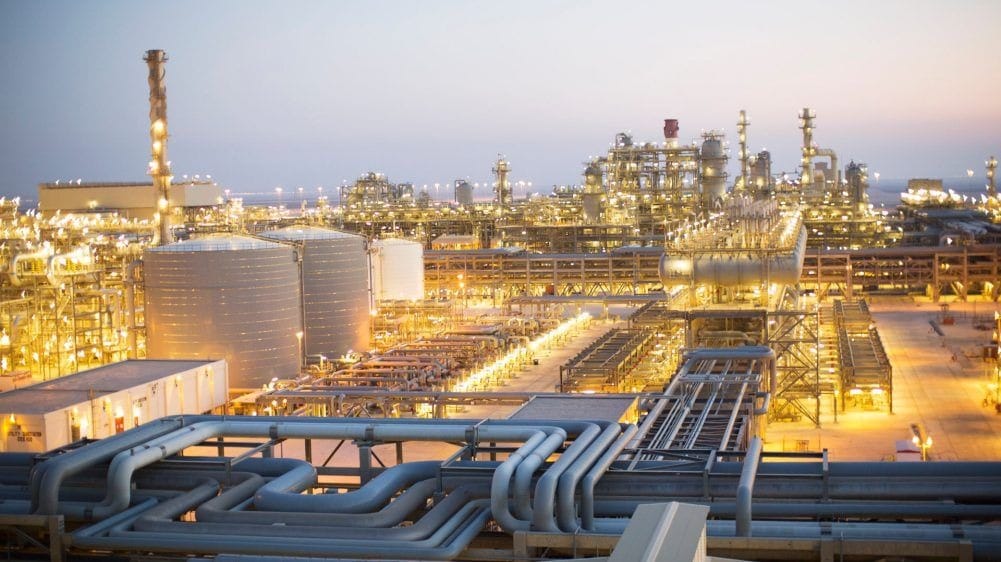
The federal cabinet has approved a strategic gas allocation plan for key fertilizer producers — including Fauji Fertilizer Company (FFC), Fatima Fertilizer, and AgriTech — to support enhanced production, strengthen agricultural supply chains, and stabilise fertilizer availability for farmers across Pakistan. The decision reflects the government’s focus on securing energy input for essential crop nutrients amid rising demand and seasonal cultivation cycles.
Under the approved gas allocation framework, each plant will receive dedicated gas supply volumes that meet operational requirements for urea and related nitrogen-based fertilizer production. Continuous and reliable access to natural gas is crucial for the efficient functioning of fertilizer facilities, as feedstock availability directly impacts production capacity, cost structures, and product pricing. By ensuring stable gas allocations, the government aims to prevent production bottlenecks, maintain inventory levels, and support the agriculture sector ahead of key planting seasons.
Officials involved in the approval noted that the allocation was determined based on each company’s production profile, historical usage, and expected output targets. Fauji Fertilizer, Fatima Fertilizer, and AgriTech are among Pakistan’s largest fertilizer manufacturers, collectively playing a significant role in meeting both domestic demand and export potential. Reliable gas input enables these plants to operate at optimal plant load factors, improve utilisation rates, and achieve sustainable output that aligns with national food security goals.
The move is particularly pertinent as Pakistan’s agriculture sector prepares for upcoming sowing periods, where timely availability of urea and other fertilizers is critical to crop yields, farmer income stability, and overall agricultural productivity. A steady fertilizer supply chain helps mitigate seasonal shortages, reduces price volatility in farm input markets, and supports rural livelihoods that depend on efficient production and fair pricing.
Energy analysts say that government intervention in ensuring gas allocations for fertilizer plants reflects an understanding of the interconnected nature of energy and food security. Natural gas is a key feedstock for nitrogen fertilizer synthesis, and disruptions in supply have historically led to reduced output or higher production costs. By prioritising gas supply for strategic fertilizer producers, policymakers aim to safeguard production continuity and support broader agricultural requirements.
Manufacturers have welcomed the allocation decision, noting that predictable gas supply enhances planning precision, cost management, and operational stability. Engagement between industry and government representatives has underscored the importance of aligning energy policy with agricultural priorities, especially given the vital role fertilizer availability plays in national crop cycles and economic performance.
Overall, the cabinet’s approval of gas allocations for Fauji Fertilizer, Fatima Fertilizer and AgriTech plants marks a key policy action intended to strengthen fertilizer production capacity, support agricultural growth, and ensure energy inputs remain aligned with national food security imperatives. The decision is expected to contribute to smoother production operations and improved supply chain resilience in the fertilizer sector.