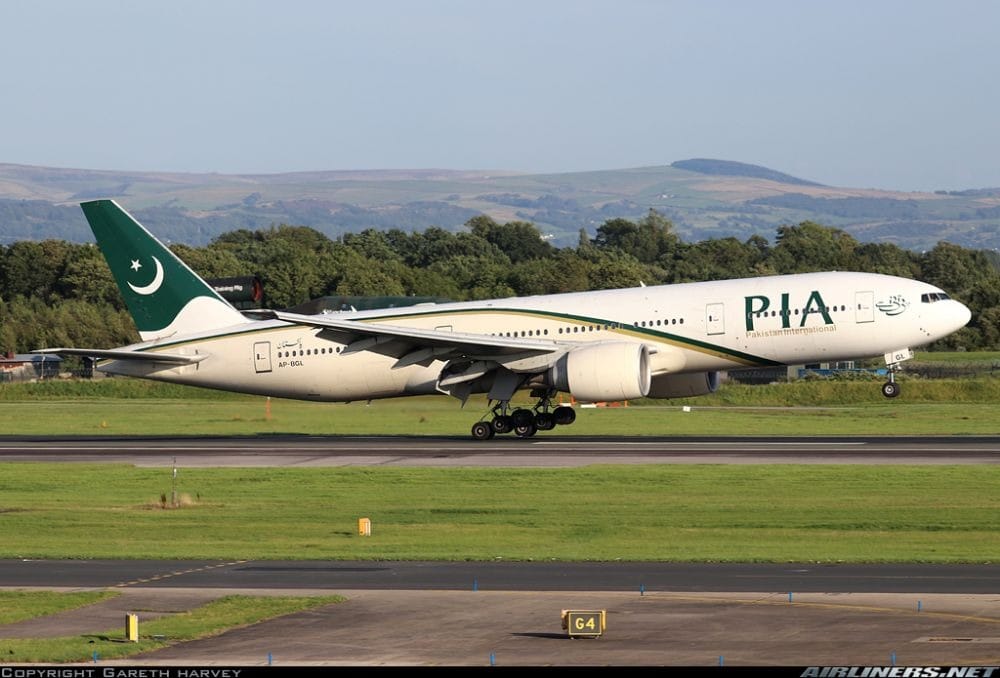
The federal government is preparing to provide substantial tax relief incentives to the new owners of Pakistan International Airlines (PIA) as part of a broader strategy to ensure a successful privatisation and long-term financial turnaround of the national carrier. The planned tax concessions aim to make the acquisition more attractive to investors, support financial restructuring, and foster sustainable operational stability under private management.
Read More: Cabinet Approves Gas Allocation for Fauji, Fatima and AgriTech Fertilizer Plants to Boost Production
Under the proposal, the government will offer temporary exemptions and tax breaks on certain corporate taxes, duties, and levies applicable to PIA’s business activities during the initial years of private ownership. These incentives are designed to reduce the cost burden on incoming shareholders, improve cash flow in the early transition period, and accelerate investments in fleet modernisation, network expansion, and service quality improvements. By easing tax obligations in the early years, authorities hope to give the airline a stronger foundation for competitive growth.
Officials involved in the privatisation process say that the tax relief package is tailored to address key financial challenges that have historically weighed on the airline’s performance. As part of the broader turnaround plan, potential investors will be able to leverage these incentives to enhance profitability, reinvest in capital expenditure, and implement strategic restructuring measures. Tax breaks are also expected to facilitate smoother integration of PIA into global aviation partnerships and alliances, helping the airline secure a competitive position in regional and international markets.
Analysts noted that offering targeted tax incentives is a common practice in large-scale privatisation deals to attract strategic investors, especially when the entity in question has a legacy of financial strain. The government’s approach signals a commitment to ensuring a successful transfer of ownership while protecting jobs, maintaining service continuity, and preserving the airline’s operational viability.
The tax relief measures are likely to cover areas such as customs duties on aircraft parts and equipment, certain sales or services taxes linked to flight operations, and corporate tax holidays for a defined period. These concessions will be structured to balance investor support with national revenue considerations, ensuring that incentives align with long-term economic goals.
The move has been welcomed by industry observers who say that improving the investment climate through tax relief can increase the likelihood of securing qualified and committed buyers, while also fostering confidence in Pakistan’s broader economic reform agenda. With the privatisation process progressing into its final stages, the availability of fiscal incentives could play a decisive role in shaping investor bids and long-term strategic commitments to PIA’s revival.
Overall, the government’s plan to offer major tax relief to the new owners of PIA marks a pivotal policy decision aimed at supporting the airline’s transition to private ownership, promoting operational sustainability, and enhancing its prospects in the competitive aviation sector.