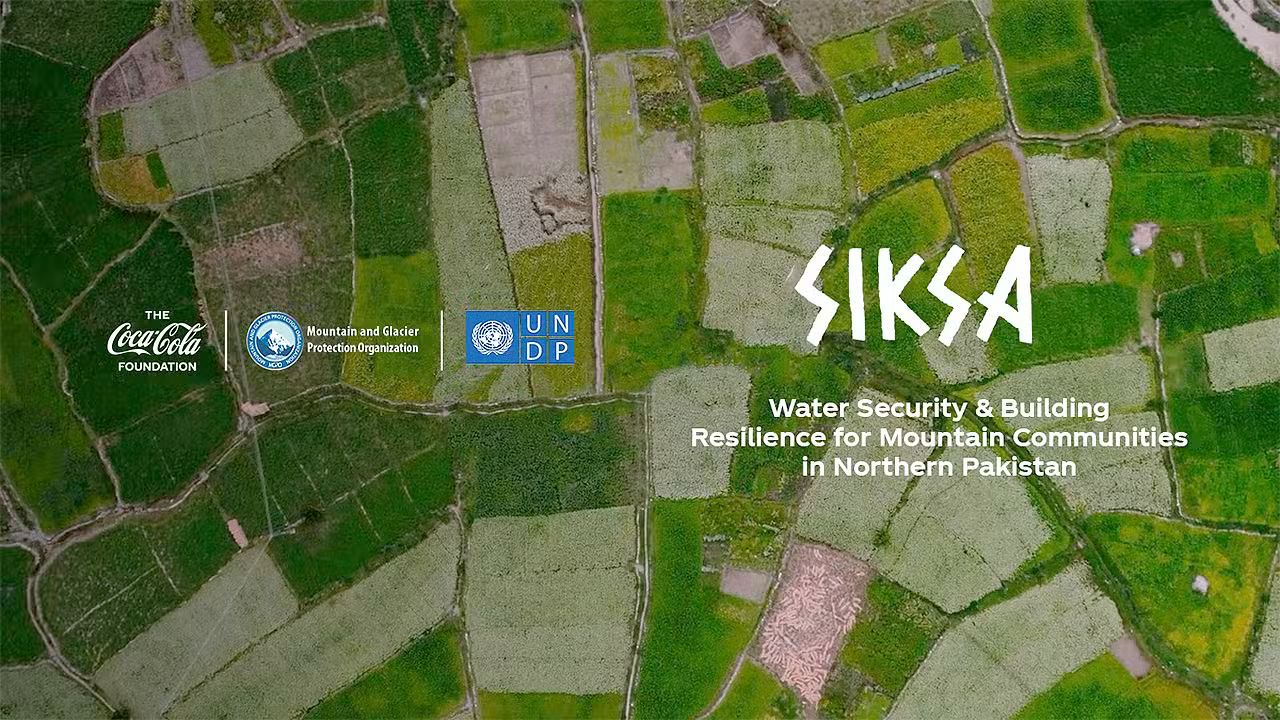
In the rugged heart of the Karakoram mountains, where communities endure extreme terrain and climate, the Coca-Cola Foundation has partnered with the Mountain and Glacier Protection Organization (MGPO) and UNDP Pakistan to deliver life-changing water security through a sustainable irrigation initiative in Tholdi, Baltistan.
Previously reliant on glacial melt and outdated irrigation channels, the people of Tholdi faced shrinking harvests, food insecurity, and forced migration due to unreliable water access. With 50% of water lost to transmission inefficiencies, farmland lay fallow, and livelihoods suffered.
Responding to this urgent need, the ‘Water Security and Building Resilience for Mountain Communities’ project was launched, funded with over 80% of costs—US\$120,000—covered by The Coca-Cola Foundation. Today, a 9,900-foot-long water transmission system—featuring 7,700 feet of underground pipe and 2,200 feet of paved channels—delivers a consistent supply of water to Tholdi and neighboring areas Daghoni and Siksa, significantly reducing water loss.
Glacial melt and spring water are now stored in a 7,000-gallon catchment chamber, feeding a gravity-based irrigation system that reaches 238 hectares of land, including 91 hectares previously barren. As a result, crops like wheat, corn, tomatoes, and potatoes are thriving, boosting food security and incomes for 2,100 people.
“This new irrigation has turned previously barren land into productive farms,” said Aisha Khan, CEO of MGPO. “There has also been tree plantation. Every year, the community pledges to plant more trees—fruit trees that mean more nutrition and money for them.”
The initiative has also enabled community-led afforestation efforts, with over 20,000 trees planned, and ensured year-round water availability even in harsh winters. Monitoring and Maintenance Committees, trained and led by locals, now manage the infrastructure with support from installed flow meters for water tracking.
This project not only secures water access but lays the foundation for climate resilience, agricultural revitalization, and environmental restoration—bringing hope to some of Pakistan’s most remote mountain communities.