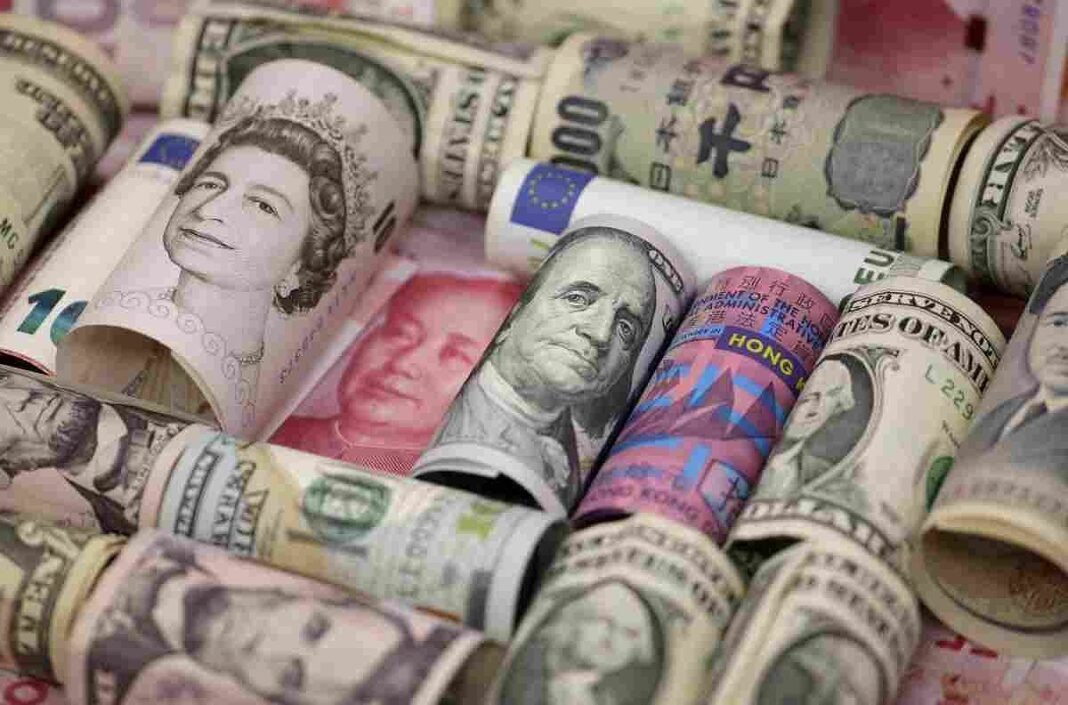
The US dollar began 2026 on a softer note against the Pakistani rupee, continuing the momentum from its largest annual decline in eight years at the end of 2025. The fresh year’s opening week has seen reduced upward pressure on the greenback, reflecting a combination of improved external inflows, stabilising macroeconomic indicators, and cautious optimism among forex market participants.
Read More: PSX Surges Past 178,000 Mark as KSE-100 Index Gains Over 2,300 Points, Boosting Market Confidence
Currency traders noted that the dollar’s subdued performance at the start of the year follows strong rupee gains in late 2025, when the greenback retreated sharply after a prolonged period of strength. Analysts say that a softer dollar trend can be attributed to global interest rate forecasts pointing toward slower tightening or potential easing in major economies, along with Pakistan’s own efforts to shore up foreign exchange reserves through external financing, remittances, and policy support.
In Pakistan’s open forex market, the dollar’s relatively subdued movement has allowed the rupee to hold its value with limited volatility, offering relief to importers and corporates that rely on stable exchange rates for pricing, procurement and budgeting. Market participants also highlighted that increased remittance flows during the year-end season supported foreign exchange liquidity, contributing to a smoother transition into January.
Despite the softer start, experts caution that the exchange rate outlook remains sensitive to global risk sentiment, commodity price movements, and domestic economic data. Factors such as trade balances, foreign direct investment activity and policy decisions by the State Bank of Pakistan will continue to influence the rupee-dollar dynamic as the year unfolds.
The trend of a softer dollar also mirrors broader global currency market behaviour, where safe-haven demand has eased and risk assets have found firmer footing amid shifting monetary policy expectations. Emerging market currencies, including the Pakistani rupee, saw relief from depreciatory pressures that dominated much of the prior year.
For consumers and businesses, a stable or appreciating rupee can help moderate inflationary pressures tied to imported goods and fuel costs, although underlying inflation dynamics remain a key driver of purchasing power and cost of living. Importers, in particular, may find more predictable budgeting in the near term if the early trend persists.
Overall, the dollar’s soft start to 2026 — following a significant annual drop in 2025 — underscores evolving currency market conditions and suggests a cautious but positive outlook for Pakistan’s foreign exchange environment in the early part of the year. Continued monitoring of global monetary trends, remittance flows and policy developments will be crucial for anticipating future exchange rate movements.