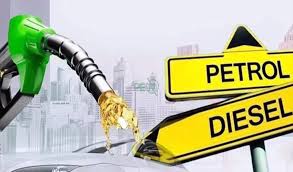
The government is considering ending the freeze on petrol and diesel prices as global oil prices continue to surge, with officials indicating that a price adjustment may be announced in the upcoming fortnightly review. The move would mark a departure from the recent policy of keeping fuel prices stable despite rising international crude costs.
The government had previously maintained a price freeze on petroleum products to provide relief to consumers amid inflationary pressures. However, with global oil prices climbing sharply due to ongoing geopolitical tensions and supply disruptions, officials now say the policy may no longer be sustainable without widening the fiscal deficit.
Global Price Pressures
International crude oil prices have seen significant volatility in recent weeks, with Brent crude trading at elevated levels following disruptions in the Middle East and supply chain constraints. As Pakistan imports the majority of its petroleum requirements, domestic fuel prices are directly linked to global market movements.
The surge in global prices has put pressure on the government’s ability to maintain the price freeze. Officials note that continued subsidies or price freezes would require either increased government borrowing or reduced spending in other areas, both of which have fiscal implications under the ongoing International Monetary Fund (IMF) program.
IMF Program Constraints
Pakistan’s $7 billion Extended Fund Facility (EFF) with the IMF requires the government to maintain market-determined fuel prices and avoid untargeted subsidies. The program mandates regular price adjustments to reflect changes in international oil prices and exchange rates, ensuring that the petroleum sector does not contribute to fiscal imbalances.
A decision to end the price freeze would align with the IMF’s requirements, though it may add to inflationary pressures in the short term. The government has been balancing its commitment to fiscal discipline with the need to provide relief to consumers facing rising living costs.
Impact on Consumers
If the price freeze is lifted, consumers could see an increase in petrol and diesel prices in the upcoming fortnightly review. Fuel prices currently stand at approximately Rs320 per liter, and any increase would add to transportation and food costs, potentially fueling inflation.
The government has indicated that any price adjustment would be implemented gradually to minimize shock to consumers. However, officials acknowledge that the ultimate impact on retail prices will depend on global oil market developments in the coming days.
Petroleum Levy Considerations
The government’s ability to absorb price increases is limited by the statutory ceiling on the petroleum levy, which is currently near its maximum. With limited room to reduce taxes on fuel, any sustained increase in global prices would likely translate directly to higher retail prices.
Officials are reviewing options to manage the impact, including potential adjustments to tax rates or targeted subsidies for vulnerable segments. However, such measures would require approval from the IMF under the program’s fiscal framework.
About the Fuel Pricing Mechanism
Pakistan reviews fuel prices on a fortnightly basis, with adjustments reflecting changes in international oil prices, exchange rates, and applicable taxes and levies. The pricing formula is designed to pass through global price movements to domestic consumers while generating revenue for the government.
About the IMF Extended Fund Facility
Pakistan’s $7 billion Extended Fund Facility (EFF) with the International Monetary Fund requires the government to implement structural reforms, maintain fiscal discipline, and ensure market-determined pricing in key sectors, including energy.