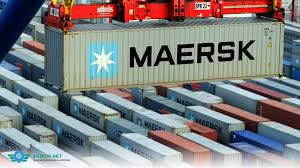
OSLO: Global shipping giant Maersk has warned that the Middle East faces a pressing need for food imports, as ongoing conflict in the Gulf disrupts critical supply chains and shipping routes.
Read More: TMC Named Global Winner at 2026 SAP Partner Awards
According to the company’s leadership, the situation has become increasingly urgent due to the region’s heavy reliance on imported food. Countries within the Gulf Cooperation Council (GCC)—including Saudi Arabia, the UAE and Qatar—import up to 85 percent of their food requirements, making them highly vulnerable to supply disruptions.
The crisis has been triggered by escalating conflict in the region, which has significantly disrupted maritime activity. The closure of the Strait of Hormuz, a key global shipping route, has brought cargo movement in the Gulf close to a standstill, creating ripple effects across international supply chains.
Maersk highlighted that food imports, particularly those requiring cold chain logistics such as refrigerated containers, are among the most critical shipments affected. The company noted that ensuring the movement of essential goods remains a priority despite ongoing operational challenges
The disruption is not only affecting regional food security but also contributing to broader instability in global trade flows. With limited shipping access and increased risks in the region, logistics providers are being forced to explore alternative routes and solutions to maintain supply continuity.
As tensions persist, the Middle East’s dependence on external food supplies continues to expose vulnerabilities in its supply chain infrastructure. Industry experts warn that prolonged disruption could intensify food security concerns and place additional pressure on global logistics networks.