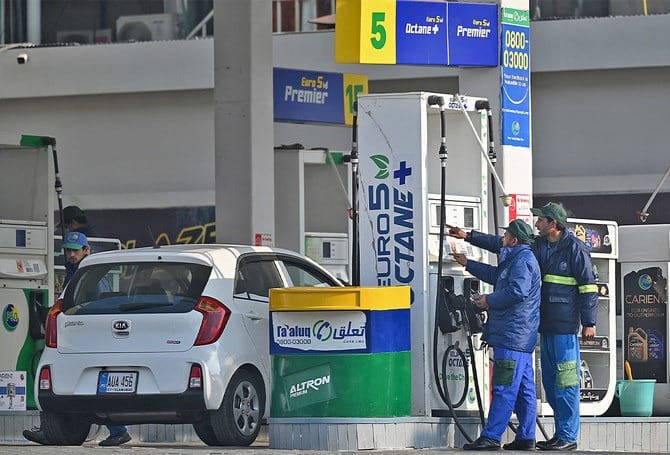
Petrol prices in Pakistan are expected to drop again from January 16, offering relief to motorists and businesses as global oil benchmarks soften and government pricing adjustments take effect. The anticipated reduction follows recent trends in international crude prices, currency movements, and adjustments in petroleum pricing formulas that influence retail fuel costs across the country.
Read More: New PIA Owners Looking for Another Partner to Bring Airline Back to Life
Industry analysts say that the decline in prices comes amid a broader easing in global oil markets, which has reduced import costs for refined petroleum products. Lower crude prices typically feed into national pricing mechanisms, prompting adjustments at the pump that benefit motorists, transport operators, and sector stakeholders who are sensitive to fuel price fluctuations. The proposed petrol price reduction reflects both market conditions and policy responses aimed at cushioning consumers from sustained high fuel costs.
The exact quantum of the petrol price change will be finalised and announced by the government shortly before January 16, based on the latest international crude settlement figures, exchange rate movements, and pricing formula outcomes used by regulatory authorities. Fuel pricing adjustments in Pakistan are routinely updated every fortnight, allowing retailers and consumers to remain aligned with prevailing cost dynamics faced by importers and distributors.
A petrol price drop can have positive ripple effects throughout the economy by lowering transportation costs, easing logistics expenses for businesses, and reducing inflationary pressures linked to energy-related inputs. For average commuters and commercial vehicle owners, even marginal reductions in petrol rates can translate into meaningful savings over time.
Market observers also note that periodic price adjustments — whether upward or downward — are a function of global oil market volatility and local fiscal policies. Recent global supply trends, production decisions by major oil exporters, and shifts in demand have contributed to price fluctuations that eventually influence domestic fuel rates. The downward movement in international prices has now created conditions that support an upcoming drop in petrol costs.
Consumers are advised to monitor official pricing notifications, which are typically issued a few days before the new pricing regime takes effect, to understand the exact revised rates for petrol and other petroleum products. In addition to petrol, adjustments to diesel, kerosene and liquefied petroleum gas (LPG) prices may also be announced concurrently, depending on broader pricing assessments.
Overall, the expected petrol price reduction from January 16 reflects easing fuel cost pressures and provides temporary financial relief for consumers and businesses alike. The adjustment aligns with ongoing global price trends and reinforces the importance of responsive pricing frameworks that help balance international market movements with local economic needs.