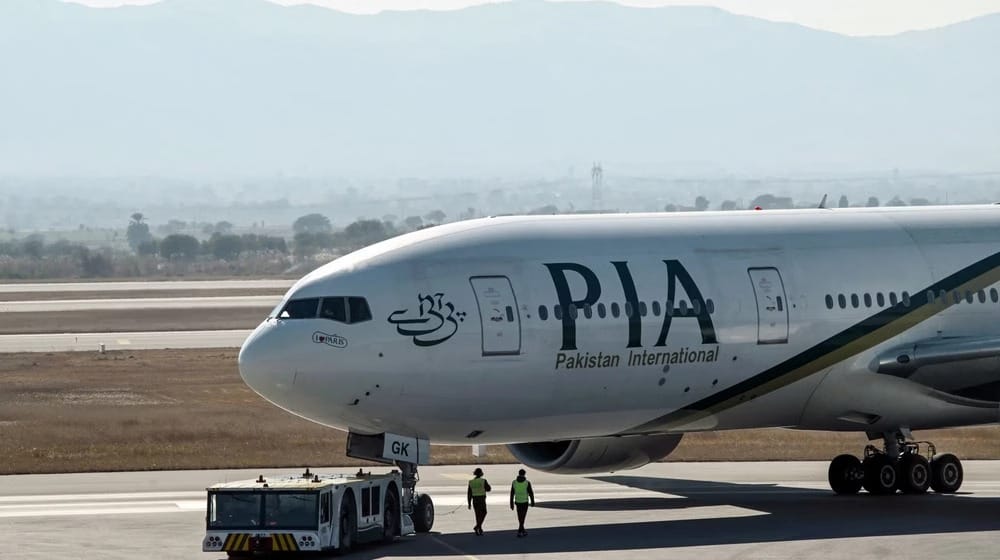
The privatization process for Pakistan International Airlines (PIA) has entered a competitive phase with three serious bidders actively vying to acquire the national flag carrier, following the withdrawal of Fauji Fertilizer Company from the race. The development marks a significant moment in the government’s longstanding effort to transfer ownership of PIA, restructure operations, and improve financial sustainability through private sector participation.
Read More: Aseefa Bhutto Inaugurates Free Cardiac Hospital in Shaheed Benazirabad to Expand Healthcare Access
The bidding process is currently underway, with interested strategic investors evaluating the airline’s assets, financial outlook, and turnaround potential. The presence of three bidders highlights continued market interest despite the complex challenges facing PIA, including debt obligations, fleet modernisation needs, and operational restructuring requirements. These bidders are reportedly proceeding with due diligence and financial modelling to assess long-term prospects before final proposals are submitted.
Fauji Fertilizer’s exit from the privatisation contest underscores the high stakes of the transaction and reflects the careful risk assessments being carried out by potential investors. While the company cited internal strategic considerations for its withdrawal, its earlier participation helped validate broader private sector interest in acquiring and reviving PIA. The remaining bidders now have the opportunity to present comprehensive turnaround plans and competitive offers as part of the next phase of the privatisation process.
Government authorities have reiterated their commitment to conducting a transparent, merit-based sale process, with regulatory oversight and clear evaluation criteria. The objective is to secure a qualified investor who can inject capital, enhance operational performance, and reposition PIA as a competitive player in regional and international aviation markets. Officials have also emphasised that the privatisation exercise is being structured to safeguard employee interests, protect strategic national infrastructure, and ensure continuity of air services.
Industry analysts believe that the success of the privatisation will depend on the winning bidder’s ability to present a robust business plan that addresses legacy challenges and drives sustainable growth. Key factors likely to influence investor decisions include fleet renewal strategies, cost optimisation initiatives, market expansion opportunities, and integration with global airline alliances or partnerships.
The competitive bidding environment reflects confidence among select investors that PIA’s intrinsic value — including landing rights, route networks, and brand recognition — can be unlocked through effective restructuring and management. As the privatisation process advances toward final offers and regulatory approvals, aviation stakeholders and market watchers will closely monitor developments that could reshape the future of Pakistan’s national airline.
Overall, the withdrawal of one contender and the continued competition among three bidders highlight both the complexities and strategic importance of PIA’s privatisation — a key milestone in Pakistan’s broader reform agenda aimed at improving public sector performance and attracting private investment.