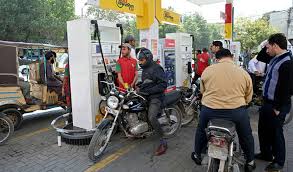
The Government of Pakistan has unveiled plans to introduce a mobile-based fuel quota system aimed at providing direct subsidies to low-income vehicle owners, including motorcycles, rickshaws, and potentially small cars up to 800cc. The initiative seeks to ease the financial burden on vulnerable segments of society while encouraging fuel conservation through higher prices for other users.
Read More: Government May End Petrol and Diesel Price Freeze as Fuel Prices Surge – Pakistan Corporate News
The system will be fully automated and operated through a dedicated mobile application. Separate apps will be available for consumers and retail operators, with the latter receiving a pre-installed version at petrol stations. Final quota limits are expected to be approved by the concerned cabinet committee.
How the System Works
Under the quota system, fuel allocations will be linked to each vehicle’s registration number and the owner’s Computerized National Identity Card (CNIC). Consumers will generate digital fuel vouchers via the app, which retailers can scan or enter to validate the quota.
For example, if a user requests 20 liters but has only 15 liters remaining in their quota, the system will dispense the authorized 15 liters. The mechanism draws on the previously successful Ramazan Package model, which provided subsidized essential items through digital vouchers.
Technology and Implementation
To facilitate adoption, the Ministry of Information Technology, in collaboration with cellphone manufacturers, will provide specialized phones initially estimated at Rs36,000 per unit, with retail pricing projected around Rs72,000. Retailers will deposit funds into a designated government account to ensure the immediate availability of devices, with account details communicated by the Oil and Gas Regulatory Authority (OGRA).
Petrol stations will dedicate specific dispensers or nozzles for subsidized fuel to ensure smooth distribution. Timely pricing will be enforced to protect retailers from regulatory or financial challenges, avoiding scenarios similar to the 2020 fuel crisis.
Monitoring and Support
All oil marketing companies (OMCs) will appoint focal persons at each retail outlet, providing contact details to OGRA for 24/7 monitoring and consumer complaint redressal. The IT ministry will also provide demo sessions and video tutorials to ensure proper operation of the system. In exceptional circumstances, an emergency dispensation process will allow approvals for quota adjustments.
Background
Previous attempts to introduce fuel subsidy schemes have faced administrative and technical obstacles. In March 2023, former Minister of State for Petroleum Musadik Malik proposed a cross-subsidy plan, raising fuel prices for high-income car owners to fund subsidies for motorcycles and rickshaws. However, the plan was rejected following IMF objections.
Similarly, in 2019, OGRA recommended introducing 80-82 RON fuel for motorcycles to provide a cheaper alternative amid rising petrol prices, though the proposal faced resistance from stakeholders as Pakistan had already transitioned to 92 RON fuel standards.
Strategic Goals
This new mobile-based quota system is expected to:
- Streamline subsidy distribution through digital vouchers
- Reduce fuel-related inequality by targeting low-income vehicle owners
- Promote efficient fuel consumption across the country
- Leverage existing technology from successful past programs
About the Initiative
The digital fuel quota system represents a targeted approach to fuel subsidies, focusing resources on vulnerable segments rather than across-the-board price controls. By linking quotas to vehicle registration and CNIC, the system aims to prevent leakage and ensure that subsidies reach intended beneficiaries.