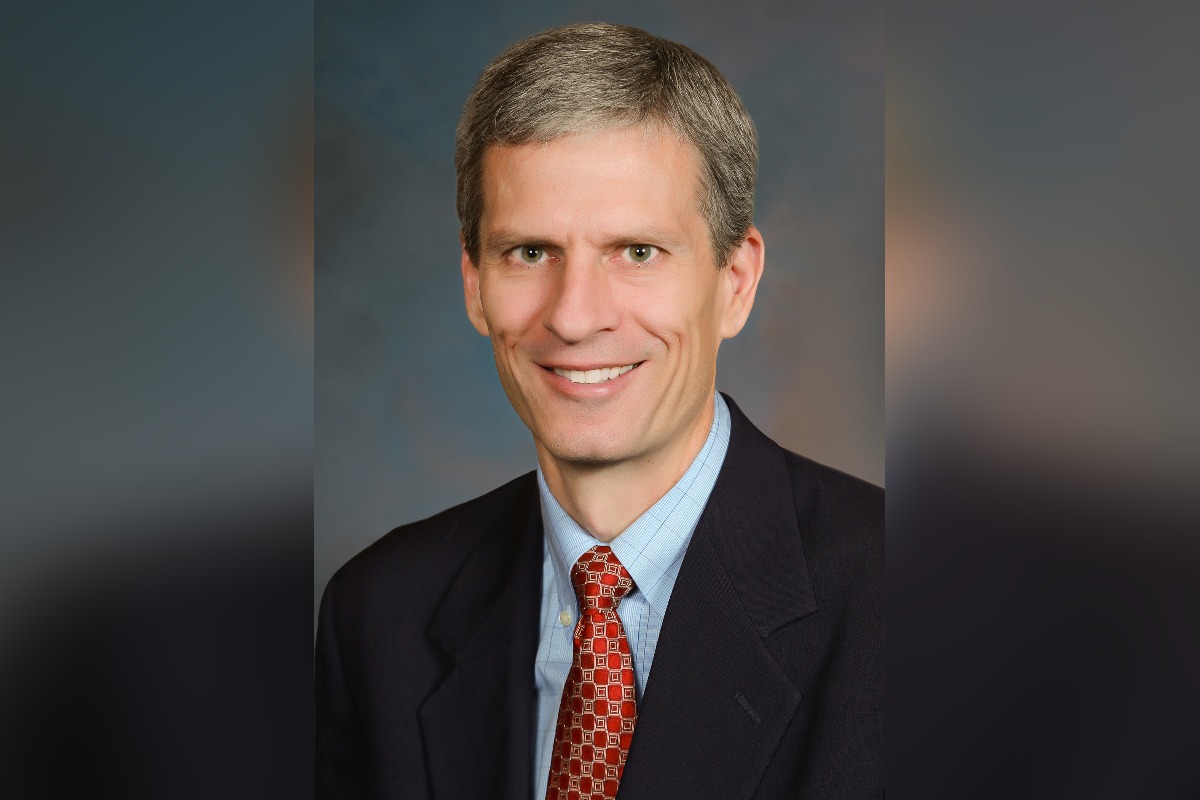
With a legacy dating back to 1889, the Society of Actuaries (SOA) has grown into the world’s largest professional body for actuaries, shaping the future of risk management across sectors. As the global demand for data-driven decision-making grows, the actuarial profession is evolving rapidly—especially with advancements in AI and increased emphasis on diversity, education, and international expansion. In this exclusive interview, Andy Peterson, Senior Director at the SOA, discusses the organization’s journey, the untapped potential of actuarial sciences, and why this profession is more relevant than ever.
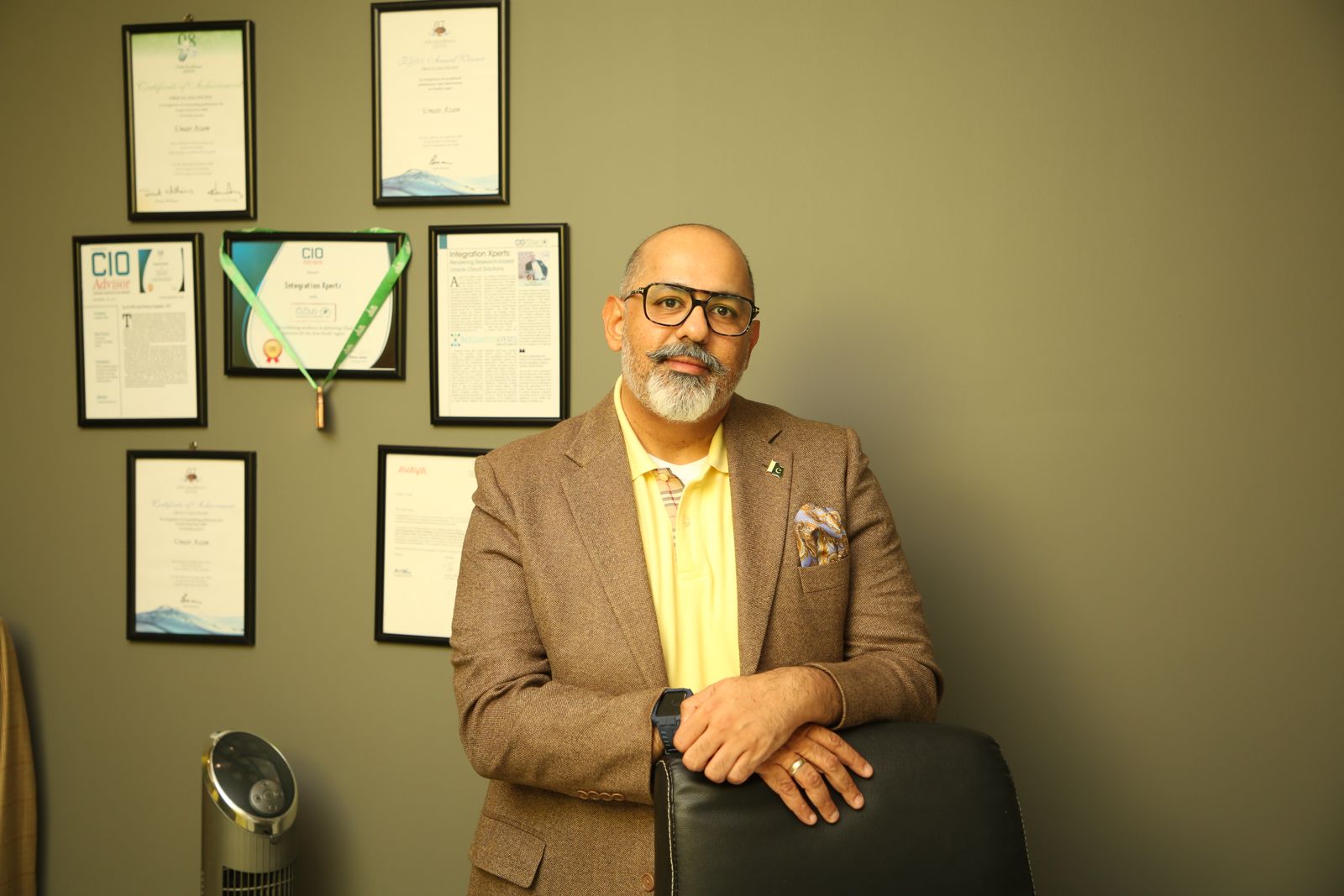
Read More: Building Pakistan’s Digital Engine for Global Impact – Umair Azam, CEO Integration Xperts
Q1. Can you walk us through the journey of the Society of Actuaries over the years? Can you also tell us about the challenges the Society was formed to solve?
With roots dating back to 1889, the Society of Actuaries (SOA) is the world’s largest actuarial professional organization, with more than 34,000 members and 33,000 candidates worldwide. The SOA advances actuaries as leaders in measuring and managing risk to improve financial outcomes for individuals, organizations, and the public. It prepares actuaries to be business leaders who leverage data, technology, and judgment to create responsible risk solutions, provides education and research globally to meet the opportunities and challenges ahead, and engages a diverse community to innovatively address key societal issues.

Q2. Actuarial Sciences is considered an extremely lucrative profession to be a part of – for both, monetarily as well as for professional growth considerations. However, a large section of society still does not know much about it. Can you identify why this is so?
There are many career choices for students interested in STEM. When weighing options, students are often presented with career paths like medicine, engineering, chartered accountancy, computer science, and data science. These careers tend to be more well-known, simply because the number of individuals in these areas runs into the millions, whereas the number of qualified actuaries is quite small—estimated to be around 100,000–150,000 worldwide. The actuarial profession is more of a specialty career choice that requires a commitment of time and rigor to earn credentials beyond a traditional four-year undergraduate degree but, in turn, offers a tremendously fulfilling career.
Q3. To those hearing about Actuarial Sciences for the first time, which key professions are associated with the field of education?
Actuarial science is closely tied to industries where risk management and financial forecasting are crucial. The most common fields include insurance, where actuaries assess risks related to life, health, and property, and consulting, where they provide strategic advice to businesses and governments on pensions, employee benefits, and financial planning.
Actuaries are also found in healthcare, banking and finance, and education, where they contribute to pricing models, risk analysis, teaching, and research. Additionally, they work in public and social service sectors, helping shape policies in areas like social security and disaster planning. This wide range of opportunities highlights the field’s value across both commercial and public domains.
Q4. For students (and their parents) who are exploring options for their professional education, what would you say to them to convince them to take on Actuarial sciences?
Actuarial science offers competitive compensation, a healthy work/life balance, and the chance to make a meaningful impact. According to the 2025 U.S. News & World Report rankings, it ranks 5th among Best Technology Jobs, 7th among Best STEM Jobs, and 10th overall in the list of 100 Best Jobs. The profession is well-respected and established in the U.S., with employment projected to grow 22% from 2023 to 2033—much faster than average for all occupations—and it is poised for growth globally.

In Pakistan, a new regulation by the Securities & Exchange Commission (SECP) requires all insurance companies to maintain an in-house actuarial department, which is expected to boost demand for actuaries. Additionally, Pakistani actuarial firms are increasingly offering offshore consulting services to international clients in regions like the Middle East and Africa, giving local actuaries access to global opportunities from within Pakistan.
Q5. Which countries/regions do you foresee a growth of the profession in moving forward? Is the SOA working actively to expand its presence in these areas?
As a global organization, the SOA engages and supports members and candidates in more than 100 countries, hosting numerous industry events outside of North America. We see strong growth opportunities in the Middle East and South Asia, including Pakistan, the GCC markets (particularly Saudi Arabia), Egypt, and India. In 2024, we opened a regional office in Dubai to better serve this region. We also see long-term growth in Africa, especially in Nigeria, Kenya, and Ghana.
To support these regions, we host events such as the 2025 SOA Regional Symposium in Cairo, Egypt (September 28–30, 2025). The Asia-Pacific region also remains a focus, with strong presence in Greater China and ASEAN markets like Singapore, Vietnam, the Philippines, Malaysia, Thailand, and Indonesia. We operate offices in Singapore, Hong Kong, and Beijing and conduct annual events like the China Symposium and the Asia-Pacific Annual Symposium in Hong Kong (June 16–17, 2025).
Q6. Speaking of AI and its advancements, particularly in regards to the rise of AI generative chatbots and their ability to process really complicated data sets fairly quickly and accurately, how disruptive do you find AI for Actuaries? Is it already assisting, or is it a potential threat?
As AI continues to improve, it will help solidify our tools. There’s always been a progression of technology in this profession, and AI is a tool actuaries can use to supplement conventional approaches and process data on a larger scale. However, there will always be a need for humans to adjust and interpret results, as well as manually process proprietary information.
As of right now, I do not see AI as a threat to this profession, but rather as an enhancement that makes processes more efficient. While AI will certainly change and enhance the work of actuaries, their role will remain critical in providing the human judgment needed and in ensuring ethical conduct and professional standards are upheld.
Q7. The SOA’s website mentions “Leveraging AI” as one of the key purposes for the organization – how do you foresee Actuaries shaping AI innovation and expertise?
The SOA is committed to empowering our members to drive solutions using AI. It is our priority to equip them with professional development opportunities and content that help build AI expertise and promote innovation in their work. Additionally, we are proud to lend actuarial expertise to the broader conversation around the responsible use of AI through our participation in the U.S. AI Safety Institute Consortium, established by the U.S. Department of Commerce. The SOA Research Institute joins more than 200 of the U.S.’s leading AI stakeholders in this effort.
Q8. Speaking about the world of education briefly, based on your opinion: do you foresee education systems and programs, like Actuarial Sciences, adapting themselves adequately to factor in the new generational shift that is underway?
To advance actuarial education in Pakistan, universities can broaden programs with modern tools, integrate actuarial concepts into STEM and business curricula, and promote awareness through outreach, seminars, and career initiatives. Financial support, such as scholarships and exam discounts, can enhance accessibility. Industry-academia partnerships and professional upskilling can align education with global standards and industry needs, helping to drive growth.

Additionally, there is a pressing need for more universities across Pakistan to introduce Actuarial Sciences as both major and minor programs. Currently, only a handful of institutions offer dedicated actuarial degrees, which limits access for talented students in other regions and cities. Expanding the availability of these programs would not only help meet the rising local and global demand for actuaries but also ensure a more diverse and well-prepared talent pipeline. By making actuarial education more widely accessible, universities can play a pivotal role in supporting economic stability, risk management, and innovation in Pakistan’s financial and insurance sectors.
Q9. Wrapping up, is Actuarial Sciences a field which values DEI across the board? Do you feel there is appropriate representation in the industry at large?
There has been a steady focus on increasing diversity in the hiring process—especially at the grassroots level. Many organizations are realizing the importance of making their pipeline more diverse and are reaching out to junior high and high school students to educate them about the opportunities in the actuarial profession, as many potential candidates in diverse populations don’t hear about the profession until much later in their educational or career journeys.
Additionally, there has been a strong realization that diversity and inclusion are not only focused on a few key demographics (race, ethnicity, gender, etc.) but also on other facets, including introversion vs. extroversion, neurodiversity, and preferred ways of working.
TL;DR – Interview with Andy Peterson, Managing Director of Society of Actuaries
The Society of Actuaries (SOA), founded in 1889, is the world’s largest professional body for actuaries, focused on advancing risk professionals through education, research, and global engagement. Despite being a highly rewarding career, actuarial science remains less known than other STEM paths due to its niche focus and rigorous qualification process. Actuaries work in insurance, consulting, healthcare, banking, education, and public service, offering critical expertise in financial risk management.
The profession is experiencing global growth, particularly in Pakistan, the Middle East, Africa, and Asia-Pacific. Recent regulations by Pakistan’s SECP and the rise of actuarial outsourcing are opening up more local and international career opportunities. The SOA is actively expanding its footprint with regional offices and events to support this demand.
While AI is transforming the field, it’s viewed as a powerful tool rather than a threat—enhancing efficiency but still requiring human oversight and ethical judgment. The SOA is helping actuaries build AI expertise and advocates for responsible AI use through global initiatives. Efforts to modernize education, expand university programs, and promote diversity and inclusion are also central to shaping a stronger, more accessible actuarial profession worldwide.