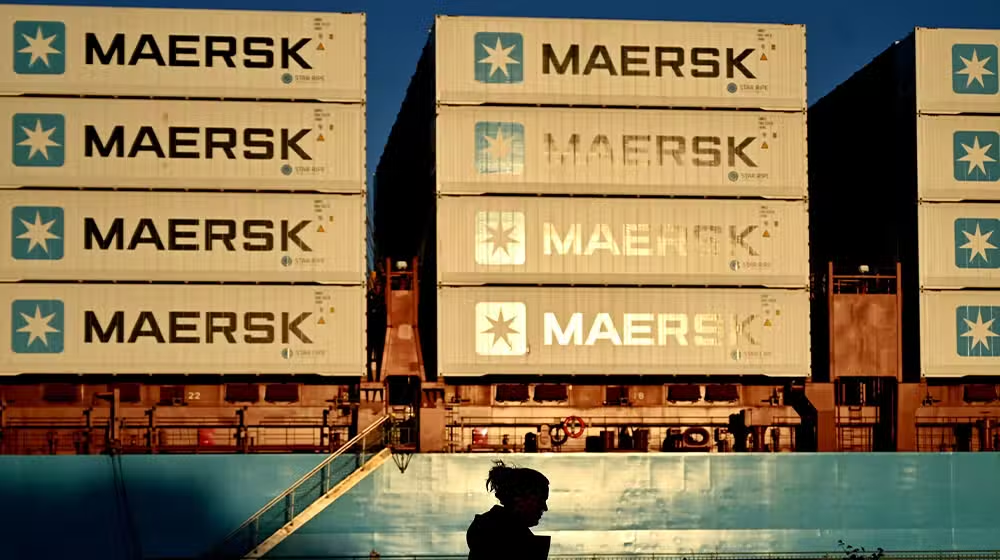
Global shipping giant Maersk has announced an increase in its Emergency Contingency Surcharge (ECS) for shipments from Pakistan and the wider Indian Subcontinent to West Africa, effective April 1, 2026.
The revision will impact cargo moving along the West Africa trade corridor, increasing freight costs for exporters shipping goods from Pakistan to key African markets. The adjustment comes amid ongoing disruptions in global shipping routes and rising operational challenges.
Under the new structure, ECS charges have been significantly increased across container categories, reflecting mounting cost pressures in international logistics and supply chains.
The move is expected to directly affect Pakistani exporters, particularly those dealing in textiles, rice and leather goods, who rely heavily on West African markets such as Nigeria and Ghana. Higher shipping costs could reduce profit margins or force businesses to pass on additional expenses to international buyers.
Industry stakeholders warn that the increase may further strain exporters already navigating tight margins, currency volatility and slowing global demand. Rising logistics costs are becoming a major concern for Pakistan’s export sector, potentially impacting competitiveness in key global markets.
The surcharge hike reflects a broader trend in the global shipping industry, where companies are adjusting pricing structures due to geopolitical tensions, route disruptions and elevated fuel costs.
As the new charges take effect, exporters and logistics providers are expected to reassess pricing strategies and supply chain routes to manage the financial impact of rising freight costs.