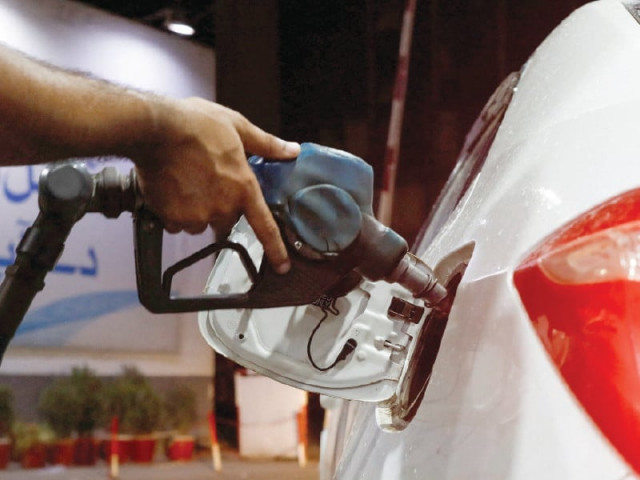
Pakistan has successfully secured petrol shipments for April, ensuring adequate supply of motor fuel for the coming month amid ongoing volatility in global oil markets. However, the government has indicated that domestic fuel prices are unlikely to see immediate relief despite the secured shipments.
Read More: NHA Denies Toll Tax Exemption for CDA Electric Buses
The Pakistan State Oil (PSO) has finalized arrangements for petrol imports to meet anticipated demand for April, providing stability in supply even as global oil prices remain elevated due to geopolitical tensions and supply chain disruptions. The secured shipments will help maintain fuel availability across the country.
Supply Secured, Prices Unchanged
While the supply side has been addressed, sources indicate that the government does not plan to reduce petrol prices in the upcoming fortnightly review. Fuel prices in Pakistan are currently hovering around Rs320 per liter, with consumers facing significant inflationary pressure from high energy costs.
The decision to hold prices steady reflects the government’s continued adherence to fiscal discipline under the International Monetary Fund (IMF) program, which restricts subsidized fuel pricing. The petroleum levy on petrol has already reached near its statutory ceiling, limiting the government’s ability to absorb global price increases or provide consumer relief.
Global Oil Market Context
Pakistan’s fuel prices are closely tied to international crude oil prices, which have remained volatile following recent disruptions in the Middle East. The country imports the majority of its petroleum products, making domestic prices highly sensitive to global market movements.
The secured shipments for April provide some buffer against supply disruptions, but the cost of these imports will largely determine retail prices in the coming weeks. With crude prices still elevated, any reduction in domestic fuel costs appears unlikely in the immediate term.
Impact on Consumers
The sustained high fuel prices continue to impact consumers across Pakistan. Transport costs, food prices, and overall inflation remain elevated as the pass-through of high energy costs affects the broader economy. Businesses, particularly in the transport and manufacturing sectors, are facing margin pressures from increased operational expenses.
For households, high petrol prices affect commuting costs and contribute to the overall inflationary environment. The government has noted that fuel price stability is essential for managing the fiscal deficit, but acknowledges the burden on ordinary citizens.
IMF Program Constraints
Under the ongoing IMF Extended Fund Facility (EFF), Pakistan is required to maintain market-determined fuel prices and avoid untargeted subsidies that could widen the fiscal deficit. The program restricts the government’s ability to artificially lower fuel prices, meaning that any consumer relief would need to come from actual declines in international oil prices or rupee appreciation against the dollar.
The government has expressed hope that global oil prices may moderate in the coming months, which could eventually translate into relief for domestic consumers. However, with geopolitical tensions persisting, the outlook for oil prices remains uncertain.
About Pakistan State Oil
Pakistan State Oil (PSO) is the country’s largest oil marketing company, responsible for ensuring the supply of petroleum products across Pakistan. The company manages a network of storage facilities and retail outlets nationwide.
About Fuel Pricing Mechanism
Pakistan reviews fuel prices on a fortnightly basis, with adjustments reflecting changes in international oil prices, exchange rates, and applicable taxes and levies. The pricing formula is designed to pass through global price movements to domestic consumers while generating revenue for the government through petroleum levies and taxes.