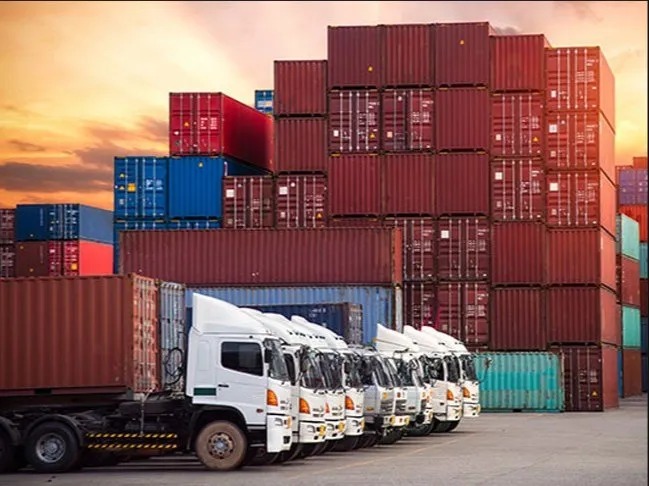
Pakistan’s ongoing transportation strike, now in its second week, could inflict economic losses of up to $1 billion, analysts have warned, as supply chain disruptions continue to disrupt trade flows across the country. The strike by transport unions has slowed the movement of goods between ports, industrial centres, and domestic markets, raising concerns about deeper impacts on exports, inflation, and overall economic stability.
The protest began in early December in response to stricter enforcement of axle‑load limits, higher toll taxes, and what transporters describe as heavy‑handed policing on major highways and motorways. Truckers have stopped moving freight, including raw materials, finished goods and essential commodities, threatening key sectors such as textiles that are heavily reliant on road transport for both imports and exports.
Read More: Pakistan’s IT Exports Jump 14% to $356 Million in November 2025 on Strong Global Demand
Industry representatives estimate that the strike has already disrupted hundreds of millions of dollars in export activity, with additional costs mounting daily due to port demurrage, detention charges, and stalled factory deliveries. Textile mill owners have warned that blocked supply chains could jeopardise Pakistan’s export competitiveness and strain foreign exchange reserves if the strike persists. The road network remains the backbone of domestic logistics — and its paralysis has left inventories stuck at ports and production facilities unable to fulfil orders.
Analysts also highlight broader risks to macroeconomic health. Prolonged disruption could contribute to wider inflationary pressures as delayed shipments tighten supply of essential goods, pushing up prices for consumers. Additionally, a backlog of containers at key ports could discourage international buyers and impact trade relationships.
Transport union leaders have called for negotiations with government authorities to address their grievances, while officials continue efforts to reach an agreement and restore normal logistics operations. As dialogue unfolds, businesses and economists warn that swift resolution is critical to prevent long‑term damage to Pakistan’s economy and maintain confidence in the country’s trade infrastructure.